Switzerland · Month-by-month guide
When to Hike in Switzerland
Switzerland is a year-round hiking country, but not at every elevation. A useful answer starts with snow, aspect, transport and the exact terrain, not a month in isolation.
Five things first
In brief
- Key rule Elevation and aspect are often more important than the month.
- Easiest period July to September offers the most certainty for higher routes and staffed huts.
- My favourite September and October can be quieter and cooler, but need more flexibility.
- Spring strategy Look first at Ticino, the Jura, foothills and sunny lower slopes.
- Always check Snow, weather, hut opening, cable cars, seasonal buses and the exact terrain.
Switzerland is, in my view, a year-round hiking country. There is hardly a month when walking is impossible everywhere.
The more useful question is: where, and at what elevation, can I hike sensibly at that time? A valley route in Ticino, a foothill hike at 1,500 metres, a pass at 2,300 metres and an alpine trail close to 3,000 metres can have completely different conditions in the same month.
Many of my own routes deliberately take place at the edge of the season: some in April, others in the middle or end of October, and even in November. The same hikes would often be easier in summer. I still like spring and autumn for their quieter paths and, at times, exceptionally beautiful conditions.
That is why the month alone is never enough. Elevation, aspect, current snow, region, weather, hut operation, cable cars and seasonal bus services all matter.
The most important rule: elevation matters more than the month
If I could give only one general rule, it would be this: elevation is often more important than the date.
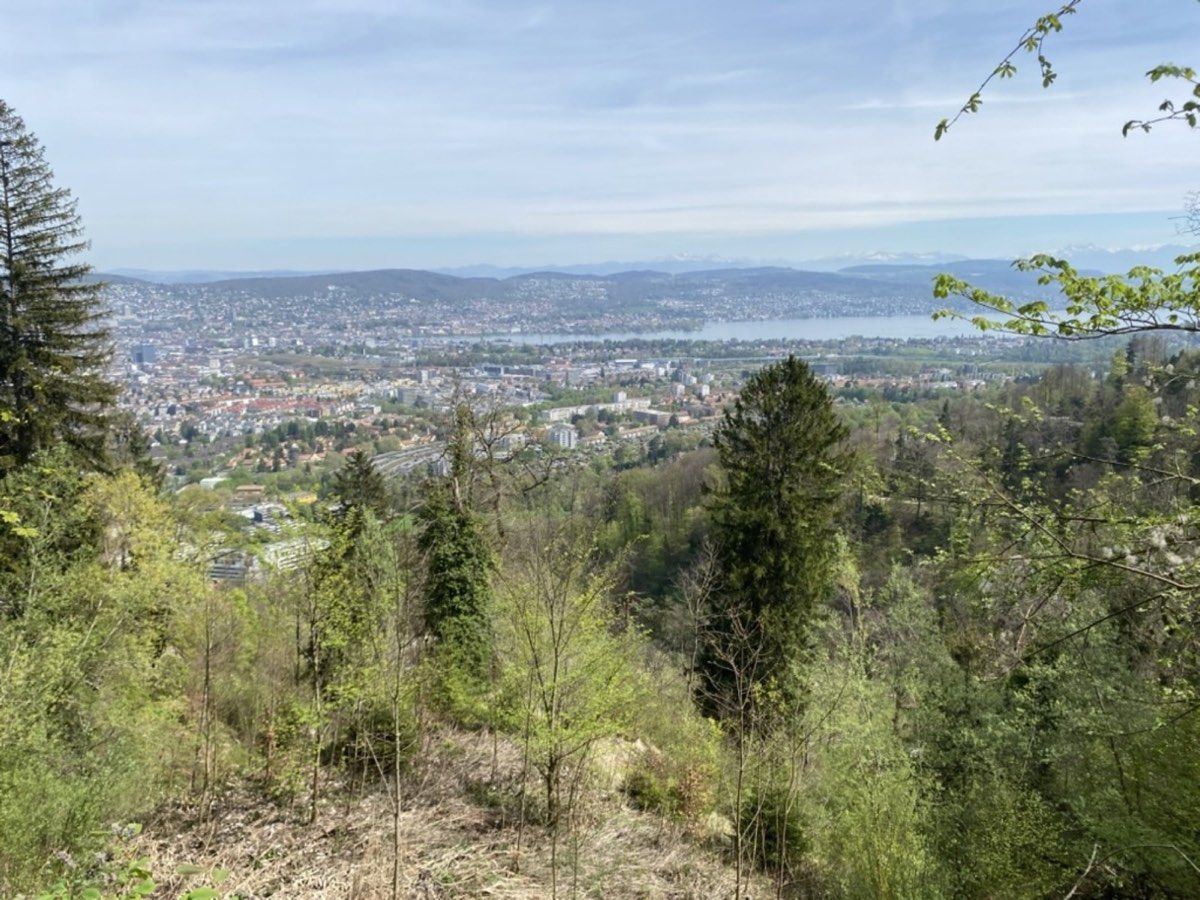
A trail at 1,000 metres can be completely free of snow in April, particularly on sunny slopes or in Ticino. At the same time, large amounts of snow may remain at 2,500 metres.
Aspect is equally important. A south-facing slope receives more spring sun and may clear weeks earlier than a northern slope only a few kilometres away. In autumn, the same contrast returns in another form: sunny ground can remain comfortable while shaded passages are already icy in the morning.
Region matters as well. The Engadin is relatively dry but also high. Ticino’s southern position and lower mountains often create useful options earlier in spring and later in autumn.
I have experienced the contrast directly. At the end of April, almost all of our route on the southern side of the Rigi was free of snow. Only one northern slope below Dossen held a substantial snowfield. On 4 July at Surenen Pass, the last 250 vertical metres still contained deep old snow.
That is why I would never simply say that the mountains are snow-free from June.
What I check before a seasonal hike
- MeteoSwiss for temperature, precipitation, wind and thunderstorms.
- SLF information for snow and, where relevant, avalanche conditions.
- Webcams near the route.
- The SAC route portal and the pages of the actual huts.
- Operating periods for cable cars and mountain railways.
- Seasonal PostBus, pass and hiking-bus services.
- Recent route reports when they exist.
- swisstopo and an offline map.
The normal SLF snow-depth map is seasonal. Outside its publication period, webcams, recent images, new-snow information and local reports become more important.
One distinction is especially important: an open hut does not mean that the path to it is safe or free of snow. Those are two separate questions.
January
January is clearly winter in the mountains. Ordinary high-level hiking is not the main activity; marked winter walks, snowshoe routes and ski tours take its place.
Many mountain railways operate for the ski season, making higher starting points easy to reach. Avalanche conditions are central. A path that is harmless in August may cross dangerous terrain in January, so for simple walking I would stay with low routes and explicitly marked winter trails.
My verdict for January: Winter only. Very good for snowshoeing and winter walking, but not a month for ordinary high mountain hikes.
February
February is similar to January. Winter conditions are well established at many elevations, and it remains an excellent month for snowshoeing. The days are beginning to lengthen, which becomes noticeable on longer outings.
Higher routes are still genuine winter undertakings. Depending on the terrain, they require suitable equipment, avalanche knowledge and experience.
My verdict for February: Winter. For me, one of the classic snowshoe months.
March
March begins the interesting transition between winter and spring. Valleys may feel warm and green while higher ground remains in deep winter.
Sunny southern slopes can clear surprisingly high by the end of the month; north-facing terrain may look completely different. Daily warming also matters. Snow that is hard in the morning can become soft and exhausting only a few hours later.
Lower routes begin to open. Winter rooms may be useful, but I would still treat a high overnight trip in March as a winter undertaking.
My verdict for March: Transition. Spring in some valleys, winter above.
April
April is one of my favourite months for lower mountain hikes. Ticino, the Jura, parts of Central Switzerland and the foothills can already offer beautiful conditions.
Our late-April hike on the southern side of the Rigi was almost entirely snow-free. The example also shows how important aspect is: the only larger snowfield remained on a shaded northern slope.
The biggest logistical limitation is often infrastructure. Ski operations may have ended while summer cable cars and staffed huts have not yet opened. A route that uses a gondola in July may suddenly require another 1,000 metres of climbing in April.
My verdict for April: Low-altitude hiking begins. Very good for Ticino, the Jura and sunny lower mountain regions, but every route needs an individual check.
May
In May, the number of possibilities increases. Many routes up to roughly 1,500 metres, and sometimes 2,000 metres, can be suitable depending on region and aspect.
Higher in the mountains, intense snowmelt creates another issue: water. Streams carry more water than later in summer, crossings can become harder and seasonal bridges may not yet be installed.
Many SAC huts are still unstaffed and small cable cars may remain between winter and summer seasons. At the same time, warmer weather makes thunderstorms increasingly relevant.
My verdict for May: Increasingly good. Many options below the true high mountains.
June
June begins the real summer transition. More cable cars start operating and an increasing number of SAC huts open. Exact dates depend strongly on elevation and the individual hut.
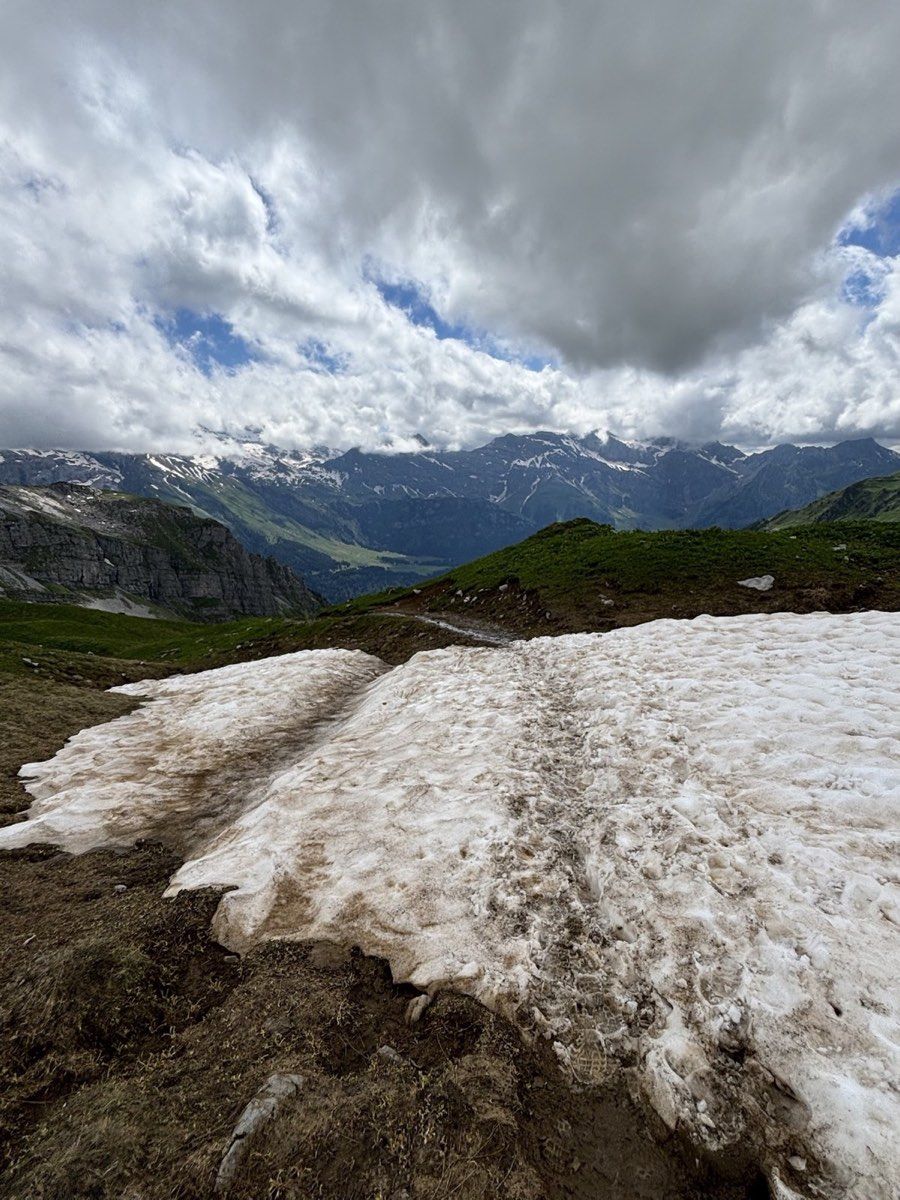
At the beginning of June, I would never assume that high passes are free of snow. Northern slopes can still hold large old snowfields. By late June, classic Alpine hiking becomes much more realistic.
The long days provide generous reserves for extended routes. Thunderstorms also become more important, and I would start early for an exposed ridge when afternoon storms are forecast.
My verdict for June: Summer begins. The end of June permits very different routes from the beginning of the month.
July
July is the beginning of the classic main season. Almost all ordinary summer mountain railways operate, most staffed huts are open and high passes become increasingly accessible.
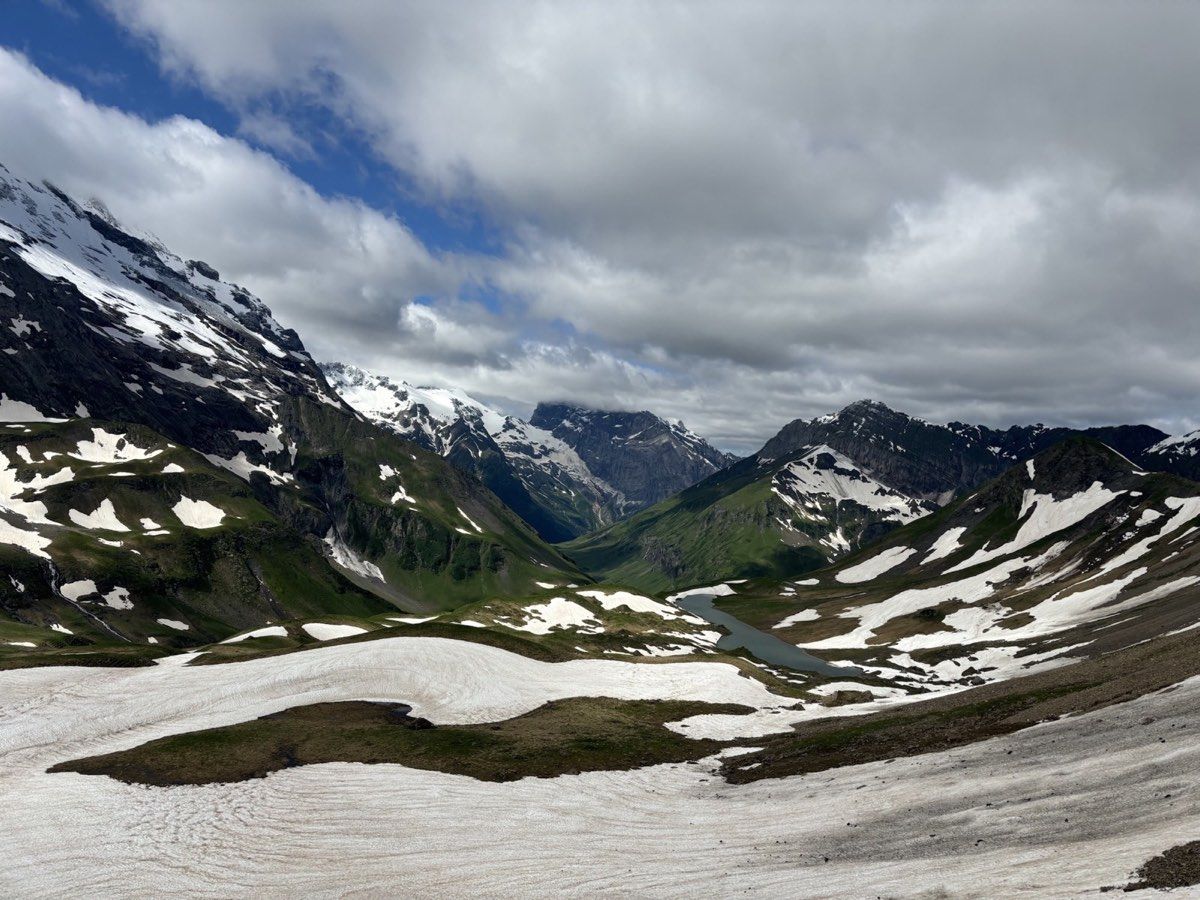
It is one of the most reliable months for longer hut tours. Snow should not be forgotten completely, as our Surenen Pass crossing on 4 July demonstrated.
School holidays also begin. Famous areas become noticeably busier and popular huts may be full on fine weekends. Deep valleys, especially in Ticino and Valais, can be hot. Early starts help with heat, crowds and summer thunderstorms.
My verdict for July: Prime season. Excellent for most classic Alpine hikes, but busier and sometimes hot.
August
August remains firmly in the main season and is probably one of the simplest months for high hikes and multi-day routes. Trails are more likely to be snow-free, huts are staffed and essential summer transport is running.
That reliability is particularly useful for routes between about 2,500 and 3,000 metres. The disadvantage is popularity: well-known huts may be fully booked long in advance, thunderstorms remain possible and lower valleys can be hot.
Towards the end of the month, nights become longer and high ground can already feel cooler.
My verdict for August: Prime season. Probably one of the easiest months for planning more demanding Alpine hikes.
September
September is one of my personal favourite months. The summer holidays are largely over, temperatures become more comfortable and many trails feel noticeably quieter.
At the beginning of the month, almost all summer infrastructure still operates. Many huts remain staffed, mountain railways continue to run and high trails are usually free of snow.
The first snowfall can still arrive, especially later in the month and at high elevations. In suitable conditions, however, September gives you many of the advantages of summer with less heat and fewer people.
My verdict for September: Excellent. For me, probably the best balance of conditions, infrastructure and quiet.
October
October is the most interesting month of the true shoulder season to me. More huts and cable cars close, while southern and drier regions can still have fantastic conditions.
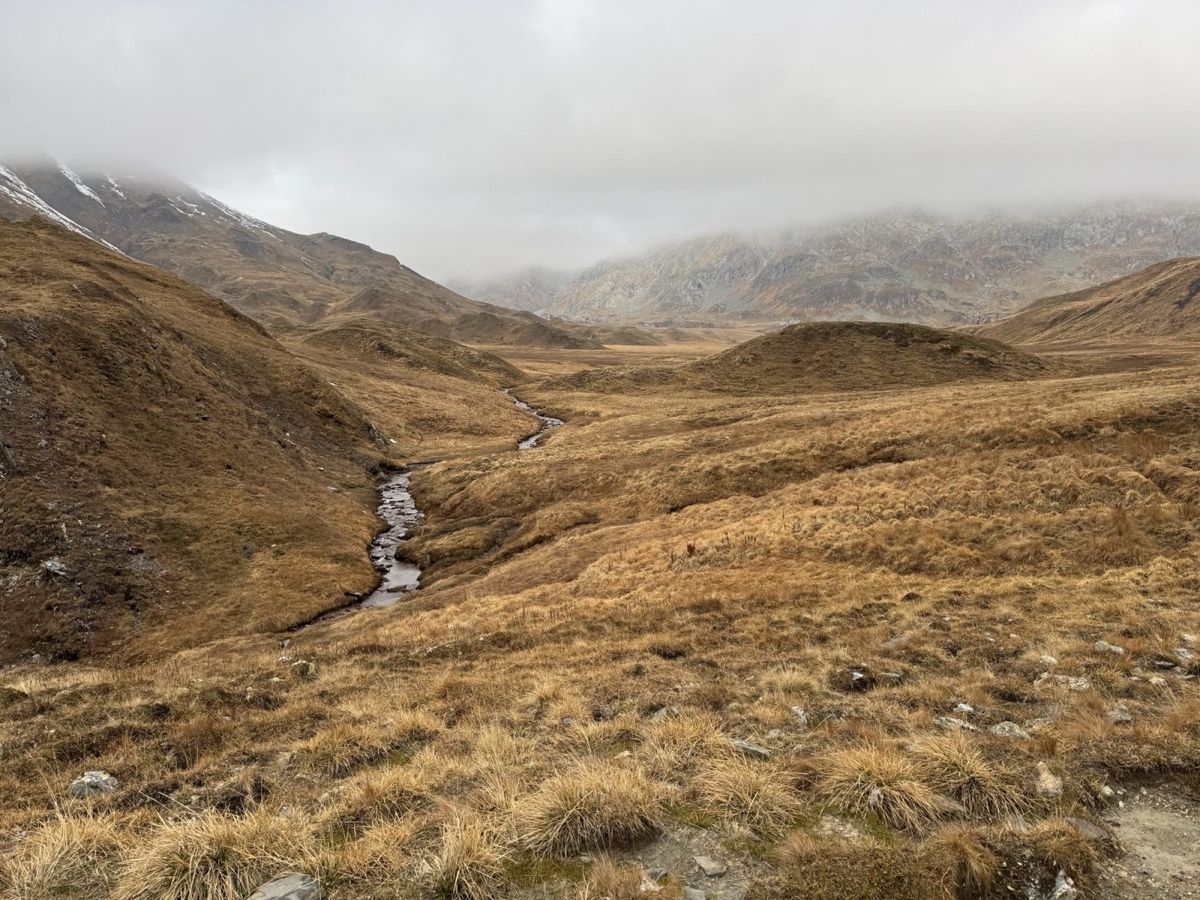
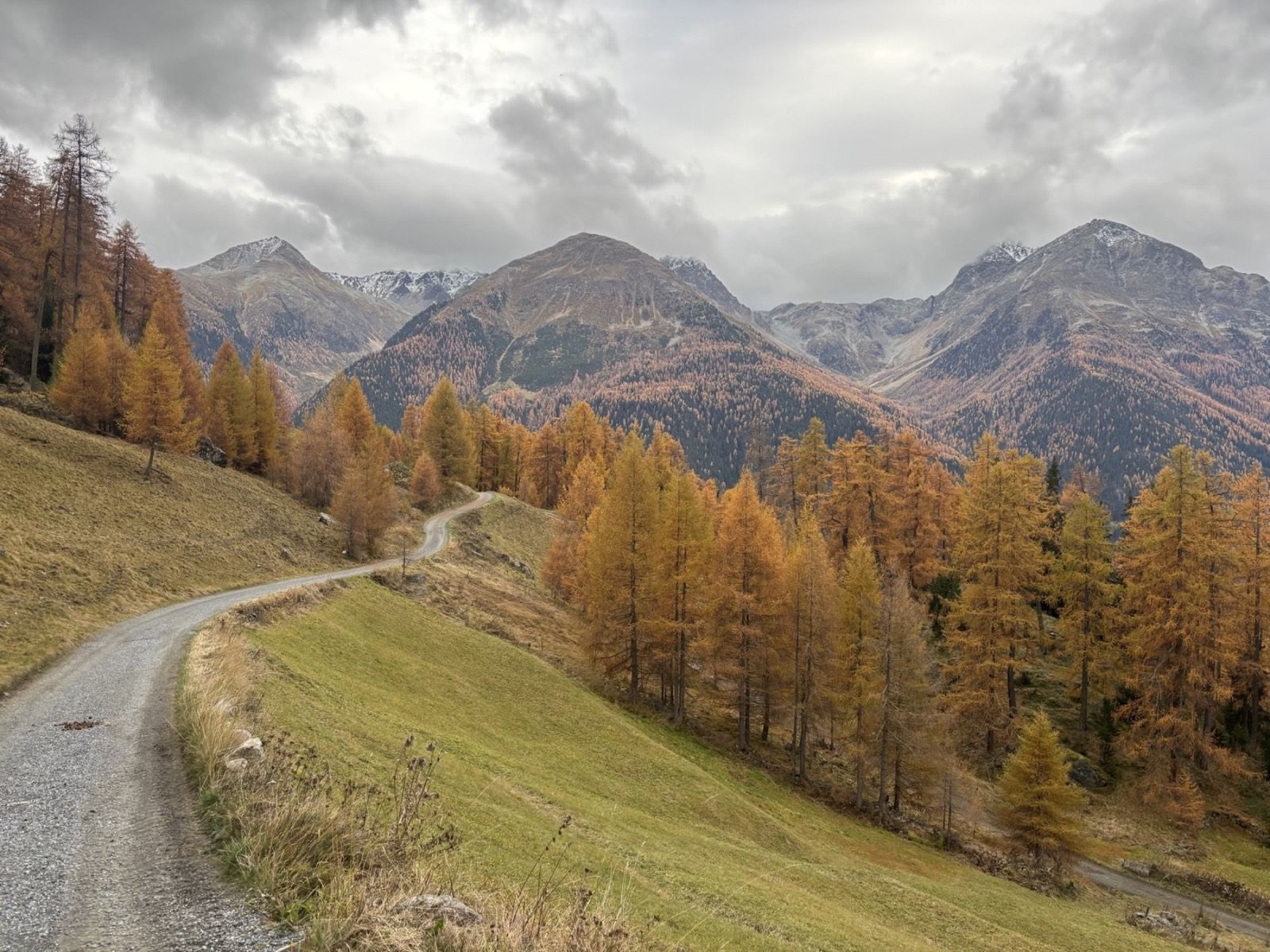
The Engadin also gains its golden larch colour. The exact peak depends on the year and the first frosts, but this can be one of the most beautiful times to visit the region.
Our route from Guarda via Chamonna Tuoi towards Scuol took place near the end of October, about a week before heavier snow. We completed the Greina route in the middle of the same month.
The advantage is obvious: very few people and sometimes exceptional autumn landscapes. The disadvantage is a greater planning burden. Northern slopes may be icy, early snow can arrive, huts are unstaffed and seasonal buses or cable cars may have stopped.
My verdict for October: Excellent when the conditions fit. One of my favourite months for experienced hikers who can plan at short notice.
November
In November, I would plan ordinary mountain hikes very selectively. Good days are still possible: we completed an extended Stoos ridge hike on 10 November, and most of the route was dry and free of snow.
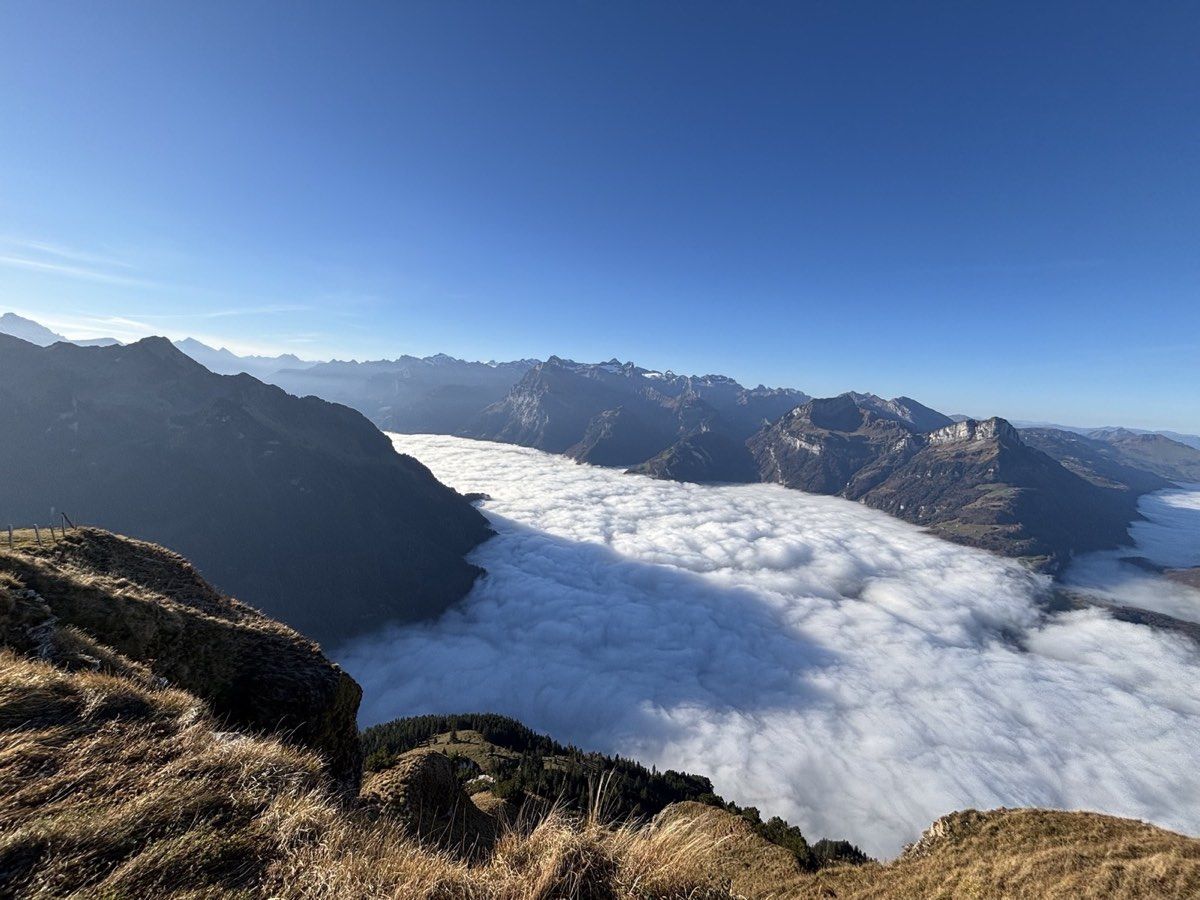
Individual shaded northern slopes already held damp ground and ice. A sunny southern side can still feel like autumn while winter has begun a few hundred metres away. Days are short and many cable cars are between seasons.
I would not choose November for spontaneous high-Alpine plans. With a carefully selected lower or sunny route, however, you may have the landscape almost to yourself.
My verdict for November: Selective. Beautiful individual hikes are possible, but this is no longer a season for general assumptions.
December
December begins the real winter season again. Ski areas and many mountain railways reopen, while ordinary hiking becomes concentrated in lower snow-free regions.
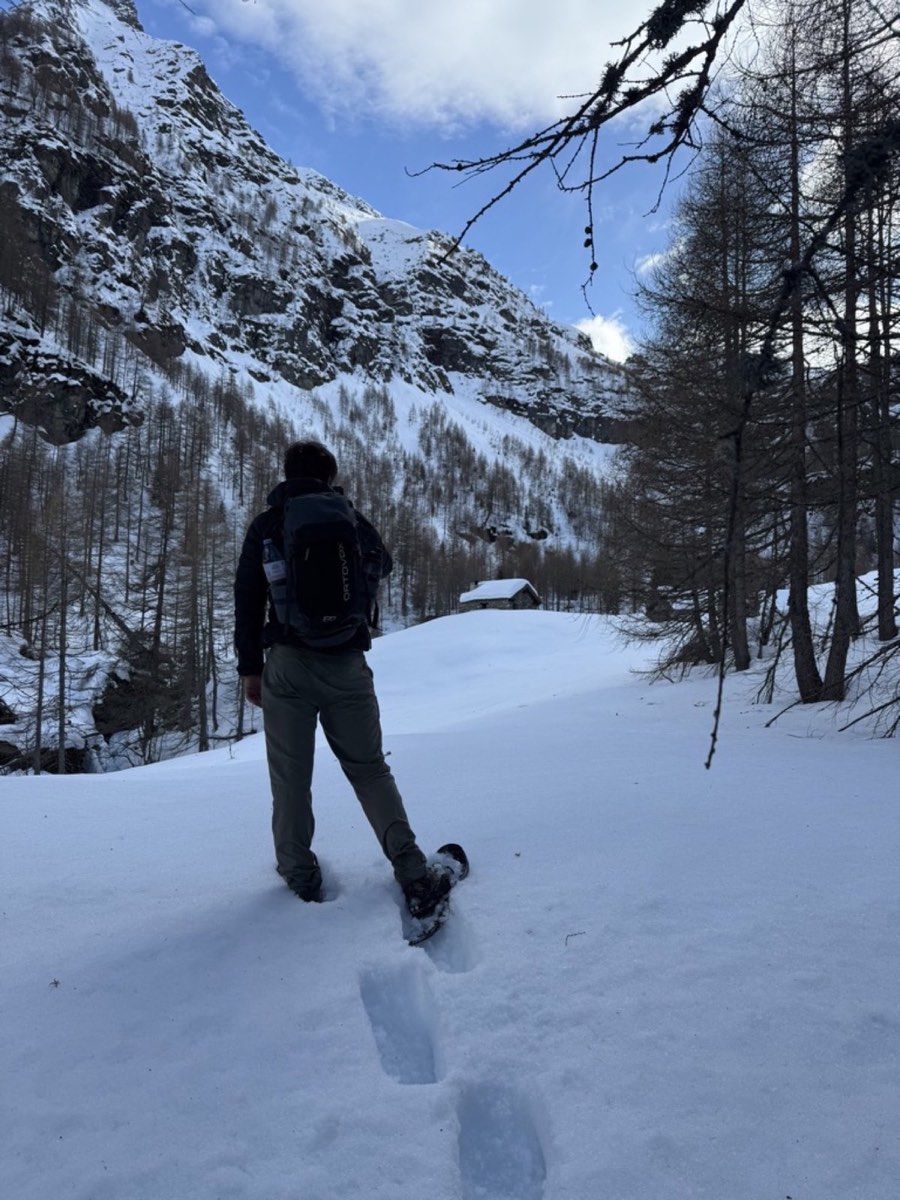
Higher up, the focus returns to winter walking, snowshoeing and ski touring. Days are short, avalanche conditions matter after snowfall and a night in a winter room becomes a genuine winter trip.
My verdict for December: Winter again.
Which regions work best by season?
Spring
My first choices are Ticino, the Jura and lower parts of Central Switzerland and the foothills, where snow-free paths often appear much earlier than in the high Alps.
Early summer
More foothill and medium-elevation routes become available, and the first lower SAC huts begin staffed operation.
High summer
July and August are the time for high passes, long hut tours and routes reaching greater elevations throughout the Swiss Alps.
Autumn
I particularly like the Engadin, Ticino, Valais and sunny southern slopes. September often still permits very high routes; in October, the current conditions should decide.
Winter
I would orient planning around designated winter-walking and snowshoe routes rather than simply following summer paths.
The hut season
There is no single hut season for the whole country. As a very broad guide, many hiking huts open at some point in June and close in September or October. High huts often have a shorter staffed period.
Some huts open again for ski touring in winter or spring. Some retain a winter or emergency room. Others close completely. I therefore check the individual hut rather than relying on an idea of ‘the SAC season’.
Cable cars and seasonal buses
In April, May, October and November, transport can be one of the greatest limitations. Many mountain railways have separate winter and summer seasons with a closure between them. A trail may be perfectly walkable while the cable car required for the plan is not operating.
Pass buses and small hiking shuttles can be equally seasonal. A route that works easily by public transport in July may become almost impossible at the end of October. I check the SBB timetable and then confirm small services with the direct operator.
Thunderstorms, heat, snow and ice
Thunderstorms matter most in the warmer months. If afternoon storms are forecast, I start early and try not to be on the highest exposed section when the weather deteriorates.
Heat is particularly relevant in the lower valleys of Ticino and Valais. On very hot days, I either start extremely early or choose a higher route.
In spring and autumn, the most useful question is often not whether snow exists but exactly where it lies. Northern slopes keep it longer. One short shaded passage can remain snowy when the rest of a route is dry.
In autumn, ice may be more deceptive than snow. A thin frozen layer on grass or rock can be difficult to see and can make an ordinary T2 hike considerably harder. Trekking poles or light traction devices may help, but I decide according to the actual route and conditions.
Daylight and crowds
Day length changes planning significantly. June, July and August provide generous reserves. A 25-kilometre route in late October needs a different schedule from the same distance in July. A headlamp belongs in my pack on longer autumn hikes.
July and August are the busiest months, especially on weekends. September is noticeably quieter in my experience. In April, May, October and November, I have completed routes where we met almost nobody for long periods.
Famous viewpoints such as Rigi or Stoos can remain popular outside the main season. A few additional kilometres or a less conventional line often becomes quiet very quickly.
Which season do I personally prefer?
September and October are probably the most interesting months to me. September retains much of the summer infrastructure with fewer visitors. October is harder to plan, but the paths can be quieter still, and the Engadin gains its golden autumn colour.
Late autumn is not automatically worse; it simply requires more flexibility. If I needed to book a high hut tour months in advance and minimise planning risk, I would clearly choose July or August. In spring, I would stay lower.
The choice is always a compromise between reliable conditions, infrastructure, temperature and visitor numbers.
So when should you hike in Switzerland?
For maximum planning certainty, especially when flights, hotels and huts must be booked months ahead, I would choose July to September. Those months are also the simplest for a first hiking trip.
If you can react at short notice to weather and snow, I personally prefer September and October. They offer fewer people, comfortable temperatures and a quieter atmosphere.
The shoulder season is not worse than the main season. It simply needs more planning.
That is the main point of this guide: never view the month in isolation. Elevation, aspect, region, current snow and weather matter more than the name of the month.
Checked separately