Switzerland · Hut guide
Self-Service Huts and Winter Rooms in Switzerland
They can be quieter, cheaper and more flexible than staffed huts. They also make you responsible for water, food, warmth and leaving the building ready for whoever arrives next.
Five things first
In brief
- The appeal Self-service huts are often cheaper, quieter and more flexible than staffed huts.
- The responsibility You organise food, water, warmth and sometimes access yourself.
- Do not assume A winter room is not automatically open, heated, supplied with water or available without a reservation.
- Pack deliberately A headlamp, power bank, fire-lighting kit, food, water treatment and suitable sleep system matter.
- My advice Start with a documented, easily reached hut in stable conditions, not a remote high hut in late autumn.
Alongside the classic staffed SAC huts, the Swiss Alps have another type of accommodation that I sometimes find even more interesting for self-planned multi-day routes: self-service huts and winter rooms.
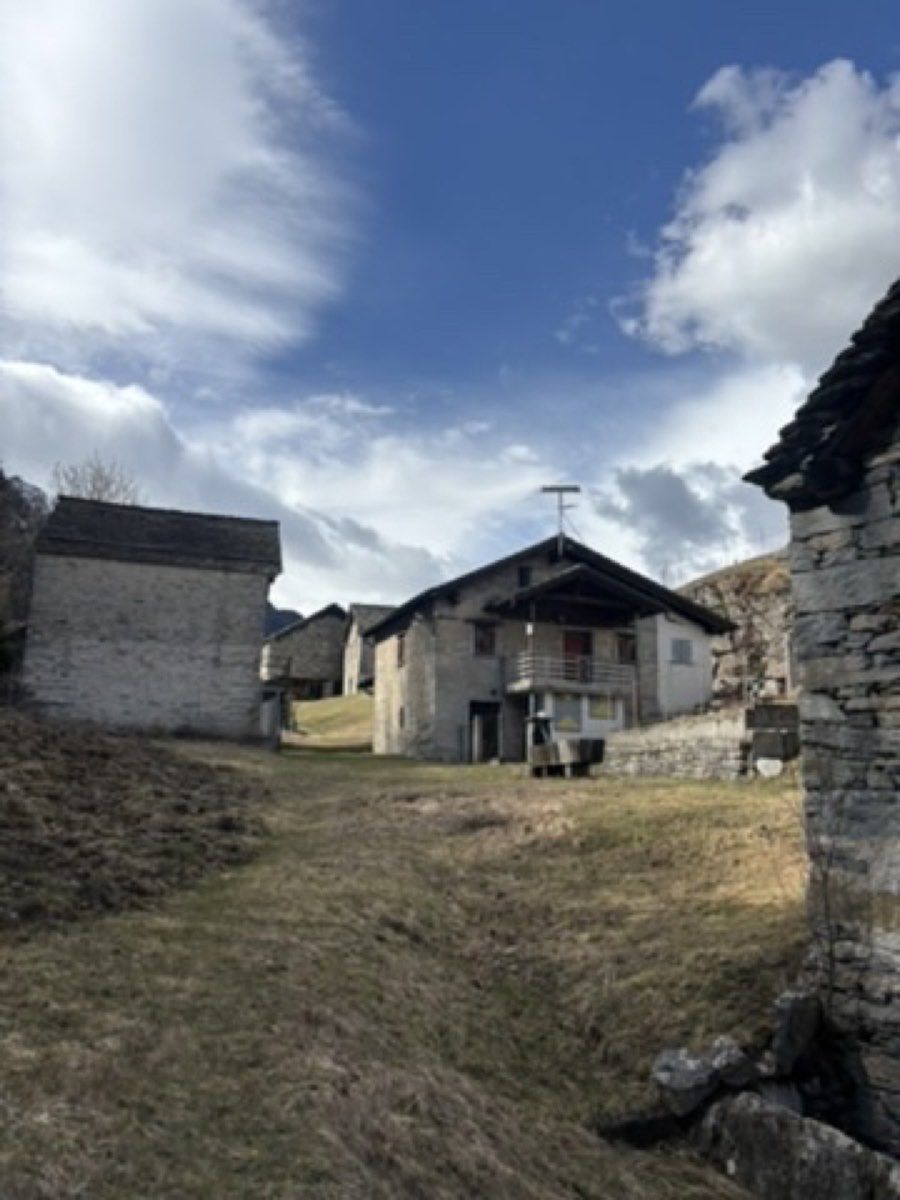
Winter rooms are often attached to a larger SAC hut. There are also completely unstaffed huts and rifugi, particularly in Ticino but also in Graubünden, Valais and other regions. They may be run by municipalities, local corporations, associations or private organisations.
For more remote two- and three-day hikes, they create many possibilities. You are not limited to the places where a large staffed SAC hut happens to stand, and can connect valleys, passes and smaller huts more freely.
The main advantages for me are price, quiet and freedom. The disadvantage is equally clear: you have to organise much more yourself.
No hut keeper is waiting with dinner. Water may be unavailable, the stove may not work as expected, and the sleeping room may remain cold. A self-service night therefore needs different preparation from an ordinary staffed-hut stay.
Winter room and self-service hut are not the same thing
The terms are often used together but describe somewhat different arrangements.
A winter room normally belongs to a larger hut that is staffed for part of the year. When the main building closes, a smaller area may remain accessible. It might be a separate building, one sleeping room with a small kitchen, or a partitioned section of the normal hut.
The facilities vary enormously. At Capanna Motterascio, for example, the winter room has ten beds and blankets. Firewood and some basic equipment are available, while water is not guaranteed and sanitary facilities are more limited outside the staffed season.
A winter room is not automatically open whenever the main hut is closed. Renovations, damage or operational reasons can make it inaccessible. Before every trip, I check the current page for the specific hut.
A self-service hut, by contrast, is intended to operate without a resident hut keeper. During its opening period, the basic process remains the same: you arrive, organise heating, food and water yourself, and leave the building clean and secure.
Why I like using them
The most obvious advantage is price. At huts I have used, a night often cost roughly CHF 10 to 25 per person. This is not a national price list, and every operator sets its own rates, but it is substantially less than a normal staffed-hut night.
Private self-service huts often do not offer an SAC discount because they do not belong to the SAC in the first place.
The second advantage is quiet. Famous self-service huts can still fill up on fine autumn weekends. In Ticino, however, I have also spent nights completely alone or with only one or two other people. That feels very different from a staffed hut with 70 or 100 guests.
Then there is flexibility. A small unstaffed hut can create a completely different line through the mountains. Instead of moving from one major SAC hut to the next, you can combine side valleys, less familiar passes and smaller buildings. That freedom is probably the greatest attraction for me.
Especially useful in spring and autumn
Winter rooms become an important part of my planning outside the normal summer season. Many staffed huts close in September or October, while the mountains can still have longer periods of excellent hiking weather.
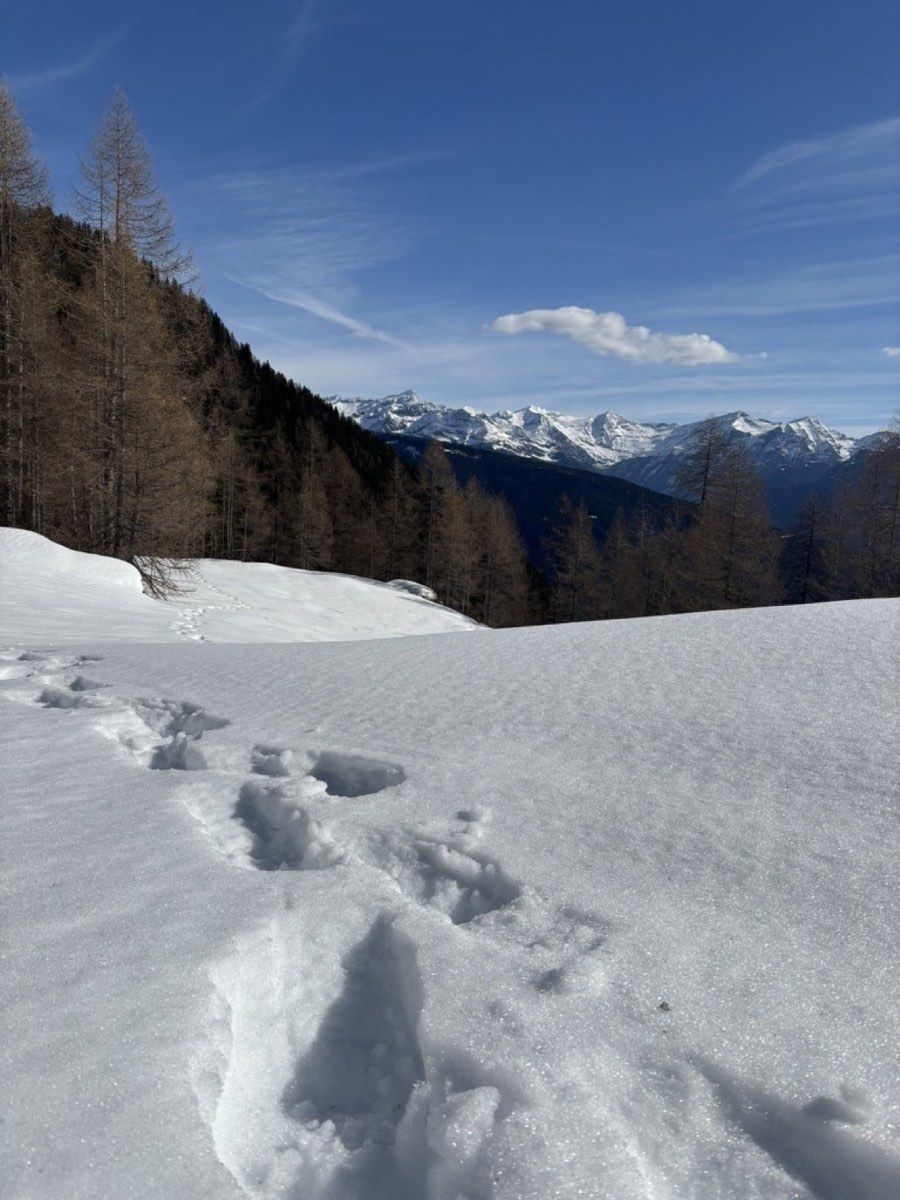
A winter room can therefore make an autumn multi-day route possible after the normal hut operation has ended. The same can apply in spring.
General statements are dangerous, however. Exact dates and access rules differ from one hut to another. I check the current hut page and contact the section or operator directly when anything remains unclear.
How I find self-service huts
My main research tool is the SAC route portal. It lists classic SAC huts as well as many other huts, rifugi and shelters. Entries often include beds, staffing periods, winter-room information, telephone numbers and links to the operator.
For route planning, I also use Outdooractive and swisstopo. Google Maps can provide photographs and an initial impression, but it is not enough as the main source for a remote self-service hut.
Conditions can change quickly. A water line may be shut down for the season, a solar system may fail or a hut may close temporarily for work. I look for the most current operator page I can find and call when in doubt. In Ticino, that sometimes means working with information available mainly in Italian.
Do you need a reservation?
It depends entirely on the hut. You should not assume that winter rooms always operate on a first-come, first-served basis.
Some require a reservation. Others ask only for registration, and some have no conventional booking system. Self-service huts may use an online form, telephone bookings or direct contact with the operator.
My rule is simple: I check every hut separately and reserve whenever the operator provides a way to do so.
Small rooms can fill quickly. A ten-bed winter room may feel spacious with four people and completely different with ten.
Do not assume you will be alone
The chance of having more space is certainly greater than in a large staffed SAC hut, but being alone is never guaranteed. Huts on known long-distance trails or classic passes can remain popular after the staffed season, especially on fine autumn weekends.
At Camona da Medel, we initially thought the winter room would be ours. Later, two students from Zurich arrived from the other side of the mountain. With four people, it was very comfortable; at full capacity, I think it would have felt tight.
What facilities can you expect?
The honest answer is that it depends completely on the hut.
There is almost always somewhere to sleep. Mattresses, blankets and pillows are common, usually with a table, benches or a small communal room.
Beyond that, the range is enormous. A simple hut may contain only a sleeping room, a table and a wood stove. A well-equipped self-service hut can approach the comfort of a small staffed hut.
Capanna Lèis is a particularly comfortable example. At 1,801 metres in Valle di Moleno, it has 14 beds, a kitchen with wood and gas stoves, wood heating, solar lighting and even a shower. Other huts are far simpler, which is why I always read the facility description beforehand.
Wood stove and heating
The wood stove is often the centre of the evening. It heats the room and may also be used for cooking.
Many winter rooms and self-service huts provide firewood, but I rely on that only when the operator says so explicitly. Even then, wood does not mean you can start a fire easily.
More than once, I have found plenty of wood and almost no useful kindling. The wood itself may also be damp. I now always carry a lighter or matches and a small amount of reliable firelighter. It weighs almost nothing and can save a surprising amount of work.
Firewood should be used carefully. At remote huts, supplies may be replenished only rarely. Wood burned unnecessarily tonight may be missing for someone else several weeks later.
Cooking
Cooking facilities again depend on the building. Pots, pans, plates and cutlery are common, together with a gas burner or a traditional wood range.
I keep food deliberately simple: pasta with pesto, couscous or an uncomplicated instant meal. I do not plan around finding oil, salt, spices or other ingredients in the hut. Unexpected supplies are a reserve, not my dinner plan.
Everything I definitely want to eat comes up the mountain with me. A camping stove can serve as backup. When I know that a working stove is available, I have usually not needed one.
Water is probably the most important question
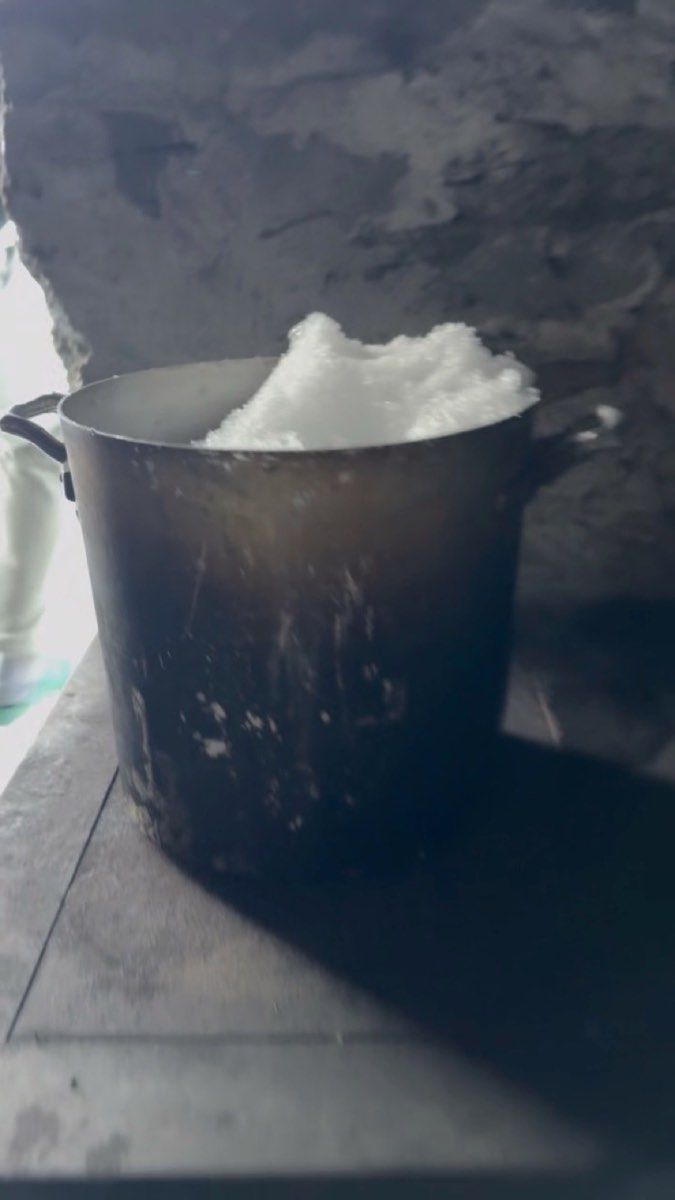
I would make fewer assumptions about water than almost anything else. Some huts have running water. Others use a fountain or spring outside. Elsewhere, the water line is closed beyond the summer season. In real winter conditions, melting snow may be the only option.
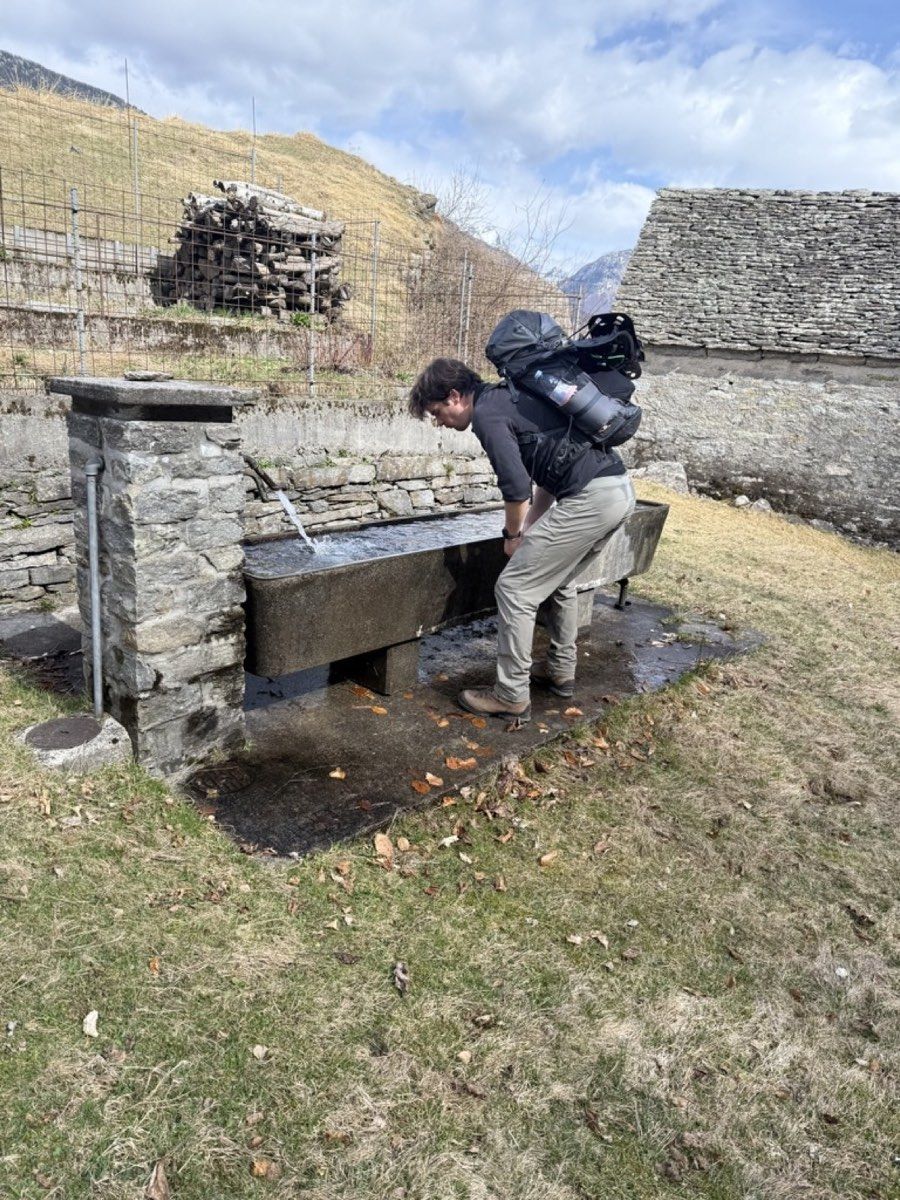
Before leaving, I check three things:
- Is water available?
- Is it treated drinking water?
- Will the source still work at this time of year?
If I depend on an external source, I carry a filter or another treatment method. In winter, melting several litres of snow also consumes a surprising amount of fuel or firewood.
Which sleeping bag do you need?
I would not say that a thin hut liner is always enough. Many winter rooms have heavy blankets and can be warmed reasonably well with the stove. Under those conditions, a liner may be sufficient.
I still prefer more reserve in an unstaffed hut. A draughty room, a cold stove and temperatures near freezing can make a thin liner much less comfortable than expected.
For a cold, high hut, I prefer a light sleeping bag with a comfort range around 0°C. That way, I am not completely dependent on layering several wool blankets. A proper winter night is a different category again.
Toilets, showers, electricity and light
Toilets are usually simple. Many huts have a dry or pit toilet, sometimes in a separate building. Some winter rooms retain access to a normal hut toilet; others have none outside the staffed period.
Showers are exceptional. Capanna Lèis is unusual in having one. In general, I expect much more basic hygiene than in a staffed hut and carry a small amount of toilet paper as backup.
I do not plan around electricity. A solar panel may provide lighting without offering a socket for a phone, camera or power bank. A headlamp and power bank are therefore essential for me. Once the sun has gone, a winter room without electric light becomes extremely dark.
My basic packing list
- A sleeping bag or hut liner appropriate to the hut and season.
- Headlamp and power bank.
- Lighter or matches and a small amount of firelighter.
- Food for all planned meals plus a small reserve.
- Water treatment if the supply is not completely clear.
- Minimal hygiene items, spare socks and a dry base layer.
- Cash, a small first-aid kit and rubbish bags.
- A stove and fuel when the hut’s cooking equipment is uncertain.
I try not to add much more. Weight builds quickly because food and warmer sleeping equipment already sit on top of normal hiking gear.
A typical evening
A staffed-hut evening begins by removing boots and eventually being served dinner. At a self-service hut, some work begins after arrival.
I first understand the layout and choose a sleeping place. Then I check the water, cooking facilities and stove. If necessary, I collect wood, split prepared pieces further and start the fire. Wet clothing can then dry while water heats and dinner cooks.
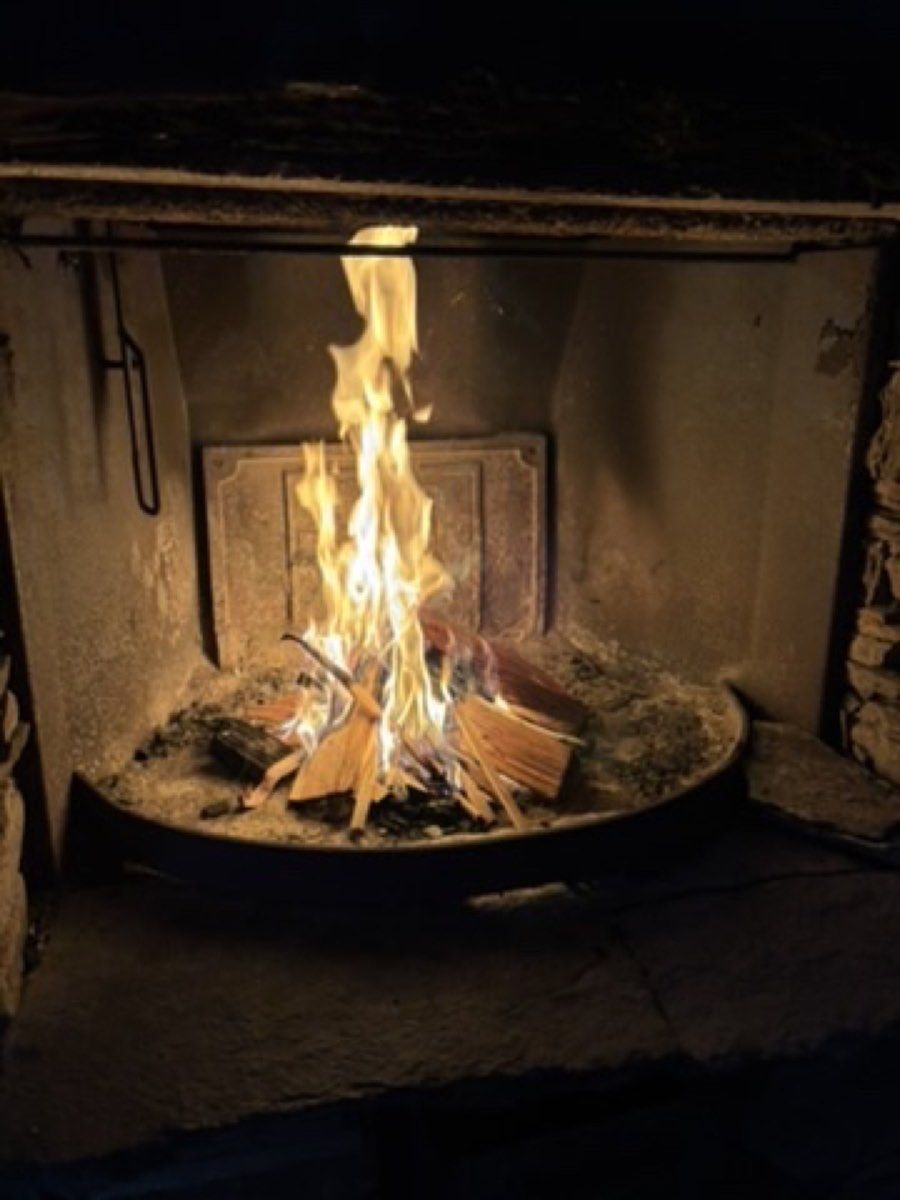
Once those jobs are complete, I often find the evening more pleasant than in a large staffed hut. With only two or four people, the atmosphere becomes completely different. You sit by the stove, eat together and may spend hours alone in a side valley. That quiet is one reason I like these huts so much.
The next morning and hut etiquette
In the morning, I often do not relight the stove unless it is very cold. I heat water for breakfast and start packing.
Then everything is cleaned: dishes washed, sleeping place left in order, food packed and rubbish carried down. Windows and doors need to be secured properly. At a remote hut, nobody may arrive for another two weeks, and an open door can lead to serious damage from animals, snow or storms.
The basic rule is simple: leave the hut at least as well as you found it. Use wood sparingly, clean all dishes, take rubbish away and do not consume stored food simply because it is there. Report serious damage to the operator.
Autumn is not winter
October is one of the most interesting times for me to use winter rooms. Summer crowds have gone, staffed huts are closing and good hiking periods can still occur.
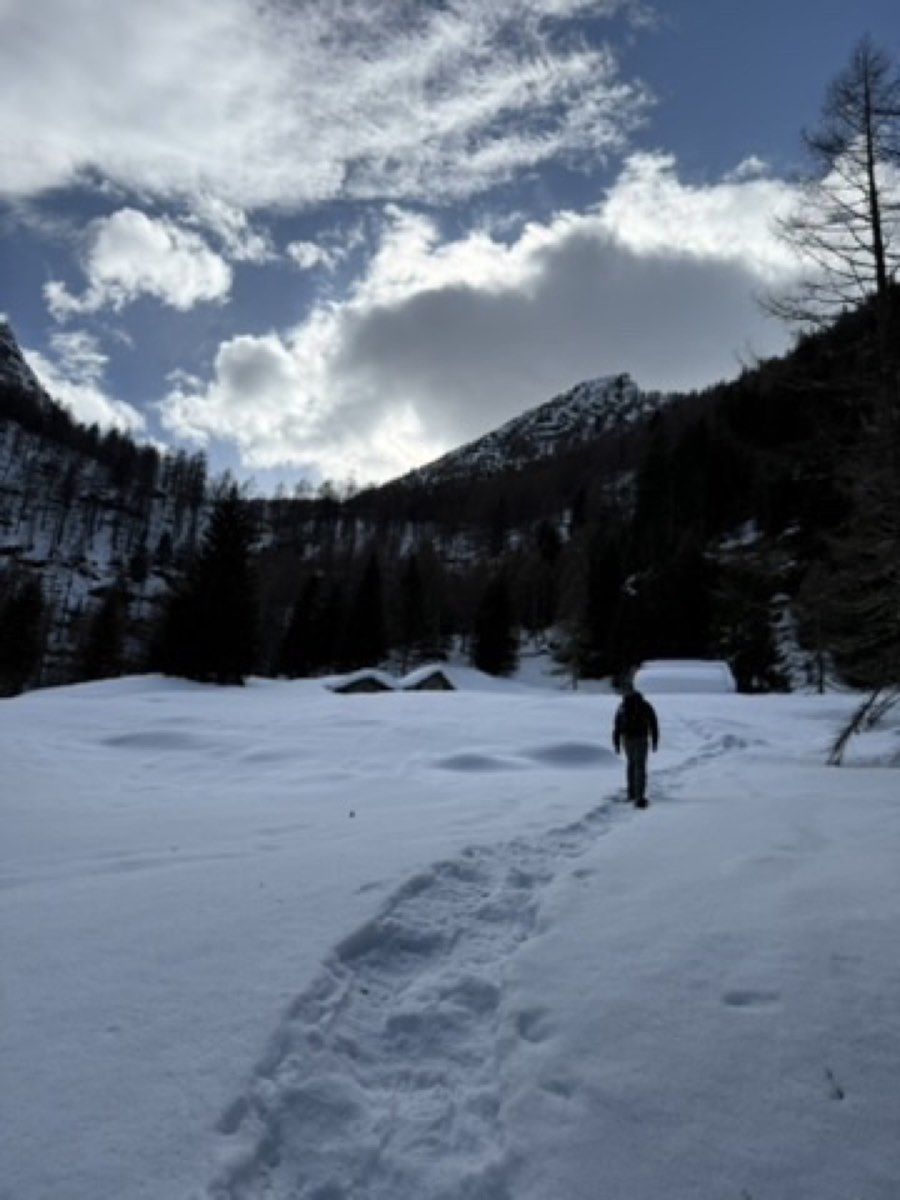
The season should not be underestimated. Northern slopes may already be icy, snow can lie at higher elevations and summer bridges or other seasonal infrastructure may have been removed. An open winter room says nothing about whether the approach is safe.
A mostly snow-free October approach is not comparable with a February journey. Winter adds avalanche conditions, snowshoes or skis, much lower temperatures and often a water supply based entirely on melted snow. Even harmless summer paths can cross avalanche terrain. I would not treat a winter-room night in February as a simple extension of autumn hiking.
A few huts I have used
Capanna Motterascio
Its ten-bed winter room is one of the larger and more comfortable examples I have used. Blankets and firewood were available; the water situation still needed to be checked outside summer.
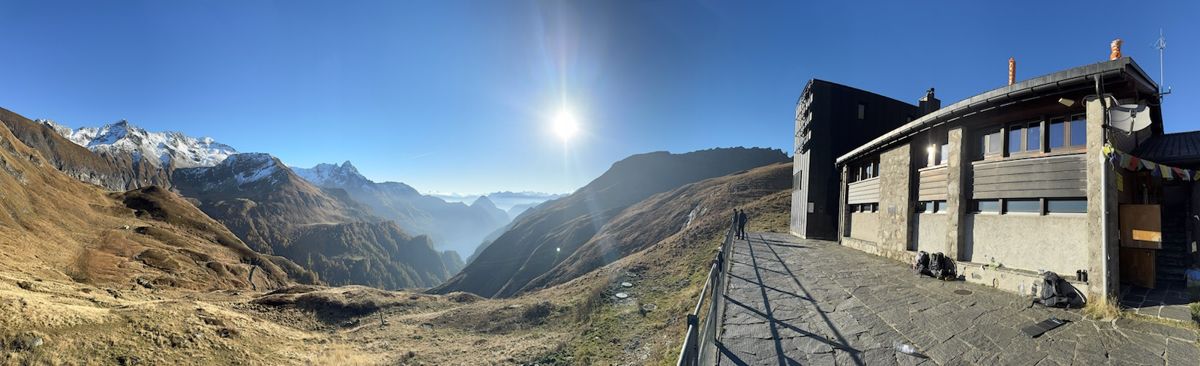
Camona da Medel
The main hut is modern, but the winter room is much smaller. Four people had enough space. Full occupancy would have felt tight to me.
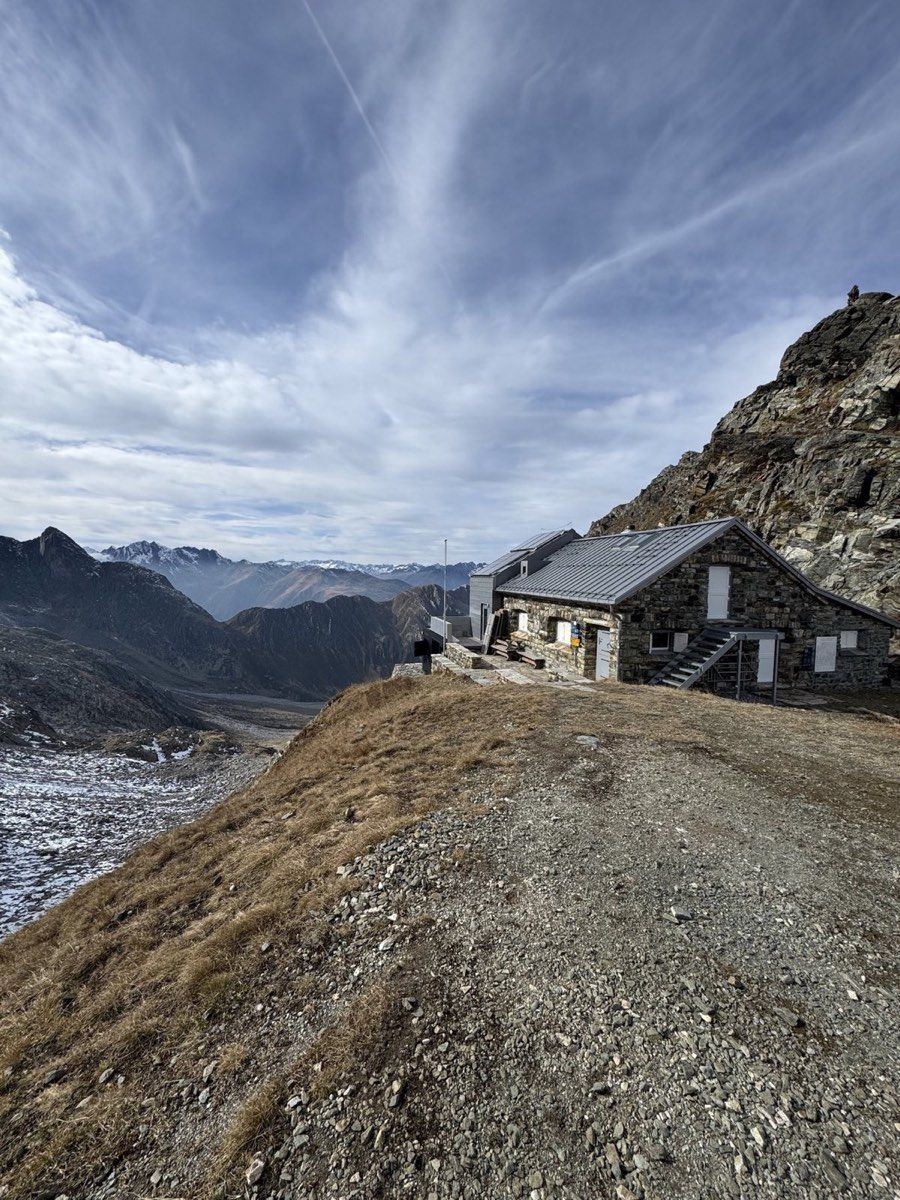
Chamonna Tuoi
Its winter room felt comfortable and well equipped. Firewood was available, but proper kindling was not. That experience is the reason I now carry my own.
Capanna Lèis
This was one of the best-equipped self-service huts I have visited: 14 beds, wood and gas cooking, solar lighting, wood heating and a shower. Almost nobody else was there during our stay, so it remained extremely quiet.
The small rifugi of Val Marcri
The huts above Personico are much simpler and more original than the larger SAC winter rooms. They provide little more than a sleeping place, a stove and the essentials. That simplicity is precisely what makes the valley interesting if you want to move away from familiar hut routes.
Common mistakes
- Assuming water will be available.
- Assuming firewood means a fire will be easy to start.
- Arriving without a headlamp.
- Assuming the hut will be empty.
- Believing an open hut means the approach is safe.
- Relying on online maps in valleys without mobile reception.
Who are self-service huts for?
I would recommend them especially to people with some multi-day hiking experience who enjoy planning their own routes. You should know roughly how much food and water you need, be comfortable with a basic stove or cooking place, and cope when not everything works as expected.
They are also interesting for lower-budget travellers and for photographers or wildlife observers who value the freedom to leave early and return late.
For a first multi-day hike, younger children or anyone who wants to organise as little as possible, I would probably choose a staffed hut first. It allows you to learn the rhythm of a hut tour without managing water, firewood and dinner at the same time.
My recommendation for a first self-service night
I would not begin with a remote hut at 2,500 metres in late October. I would choose a well-documented building with a short, technically simple approach, stable weather, a clear water situation and reliable information about the kitchen, sleeping places and stove.
Capanna Prou above Malvaglia is one possible example. From Dagro, the normal T2 approach takes roughly 1¾ hours and climbs about 620 metres. The hut stands at around 2,015 metres, has approximately 12 beds, wood and gas cooking, and even a shower.
A route like this lets you discover whether you enjoy self-service hut hiking without combining the first night with an exceptionally long or technically demanding approach.
Why I often prefer them
Self-service huts and winter rooms have become one of the most interesting parts of hiking in Switzerland for me. They make routes possible that would be difficult to connect using only staffed huts.
They are inexpensive, often quiet and allow much more freedom. In poor weather, an afternoon can be spent beside the stove. In perfect weather, nobody decides when you need to return for dinner.
That freedom also means responsibility. Water, food, warmth and the route itself require more careful planning. Precisely because of that, the night often feels like part of the mountain journey rather than a stop in a small hotel. That is why I use these huts so often, particularly in Ticino and on routes away from the classic hut network.
Checked separately