Denali · Campground field guide
Camping at Riley Creek Campground
Riley Creek is large on paper, but our wooded site in Wolf Loop felt private, practical and unusually easy to use without a car.
Five things first
In brief
- Best for A first Denali trip, tent campers and anyone arriving without a car.
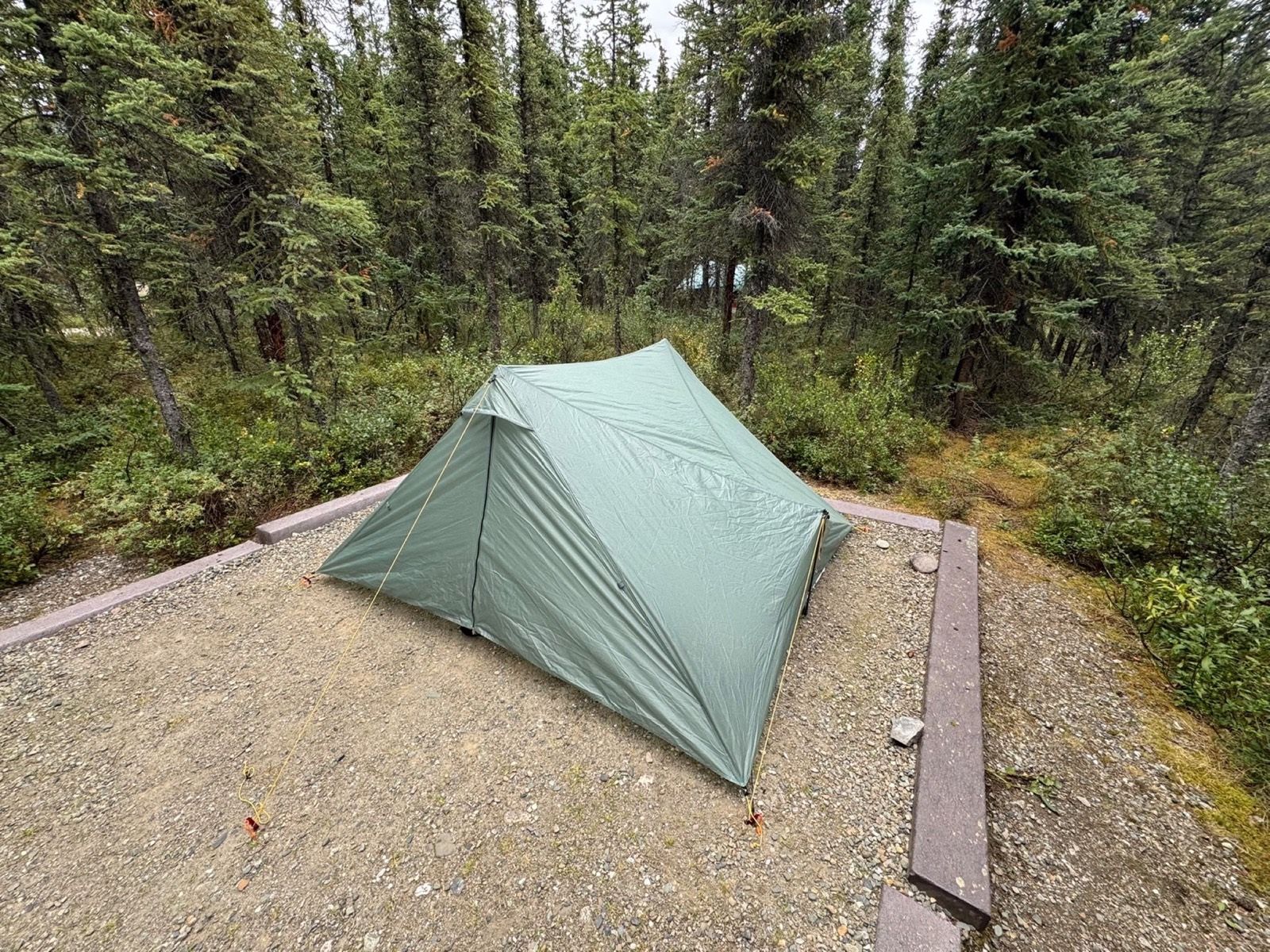
- Our site B49 in Wolf Loop balanced privacy with short walks to essential facilities.
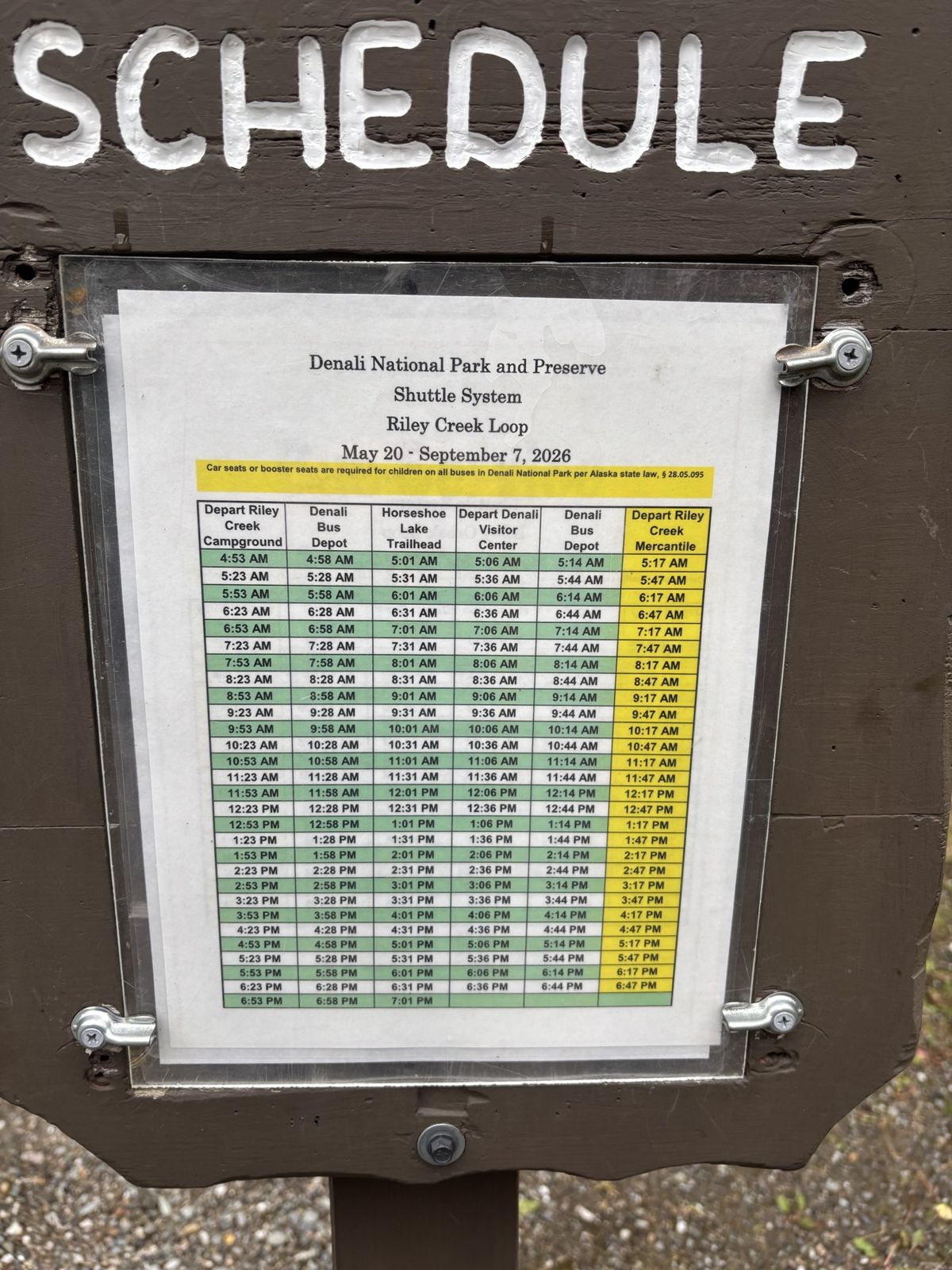
- Main advantage Free entrance-area shuttles connect the campground, buses and visitor centre.
- Bring Most of your food, a warm sleep system, power banks and simple camp shoes.
- Current facts Check the NPS page because booking categories, schedules and seasonal services can change.
Why Riley Creek works so well as a base
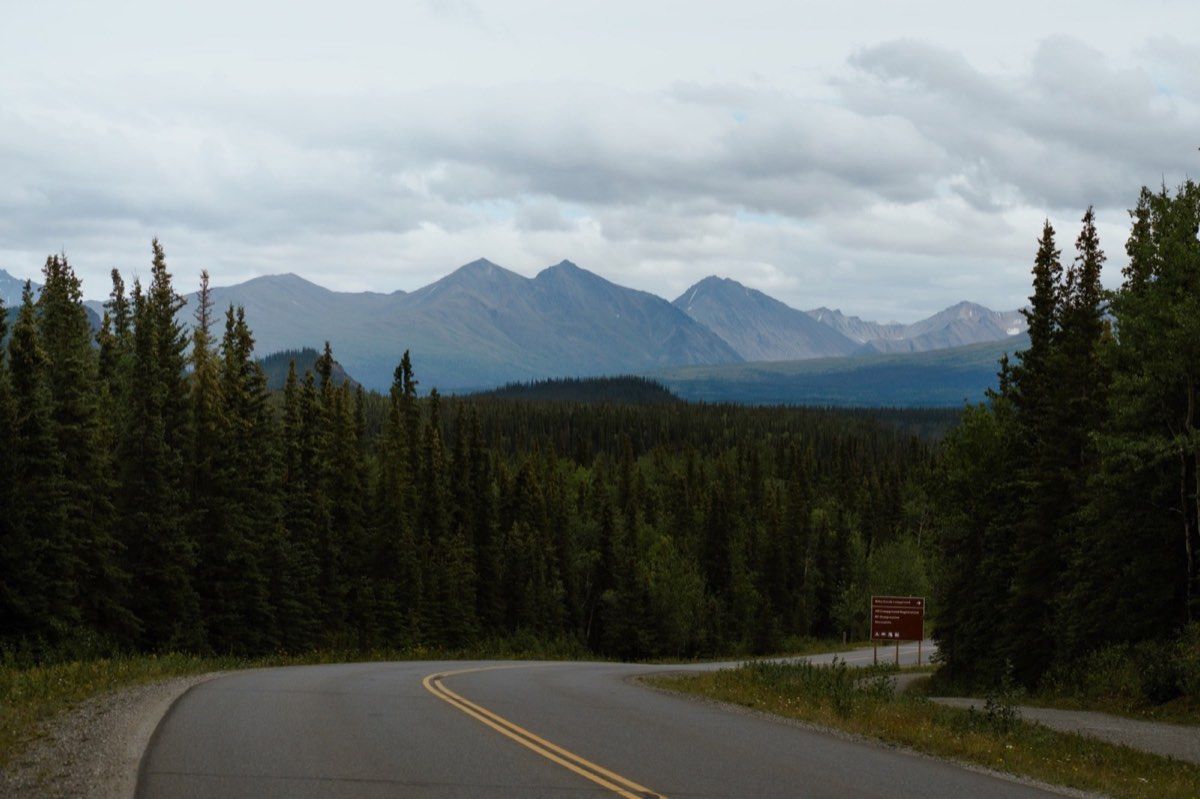
Riley Creek is the largest and best-equipped campground at the park entrance. The National Park Service currently lists 142 sites spread across three loops, with space for both tents and RVs.
For me, however, the main advantage was not its size but its location. The visitor centre, Denali Bus Depot, railway station, Mercantile and several hiking trails are all nearby. A free shuttle also circulates through the entrance area. Especially without a car, this made the campground much less complicated than I had initially expected.
Reservations and site types
When we booked, the sites were divided into several categories. A-sites were the largest and could accommodate RVs up to 40 feet. B-sites were somewhat smaller but could also be used by tent campers. For us, category B was therefore the most sensible option.
There were also C-sites intended only for tents. These were walk-in pitches without a vehicle beside the site and could only be booked after arriving in the park. They never appeared completely full while we were there, although I would not rely on that during especially busy weeks.
We checked in at Riley Creek Mercantile. Our reservation secured a category rather than a specific pitch, and after arriving we chose an available site within that category. Anyone who wants the widest choice should therefore arrive earlier in the day. Booking terms can change, so the current NPS campground page should take precedence over our experience.
Our site, B49 in Wolf Loop
We chose site B49 in Wolf Loop. When looking at the available pitches, I would pay attention to three things: the distance to toilets, water and food storage, the privacy from neighbouring sites, and the ground under the tent.
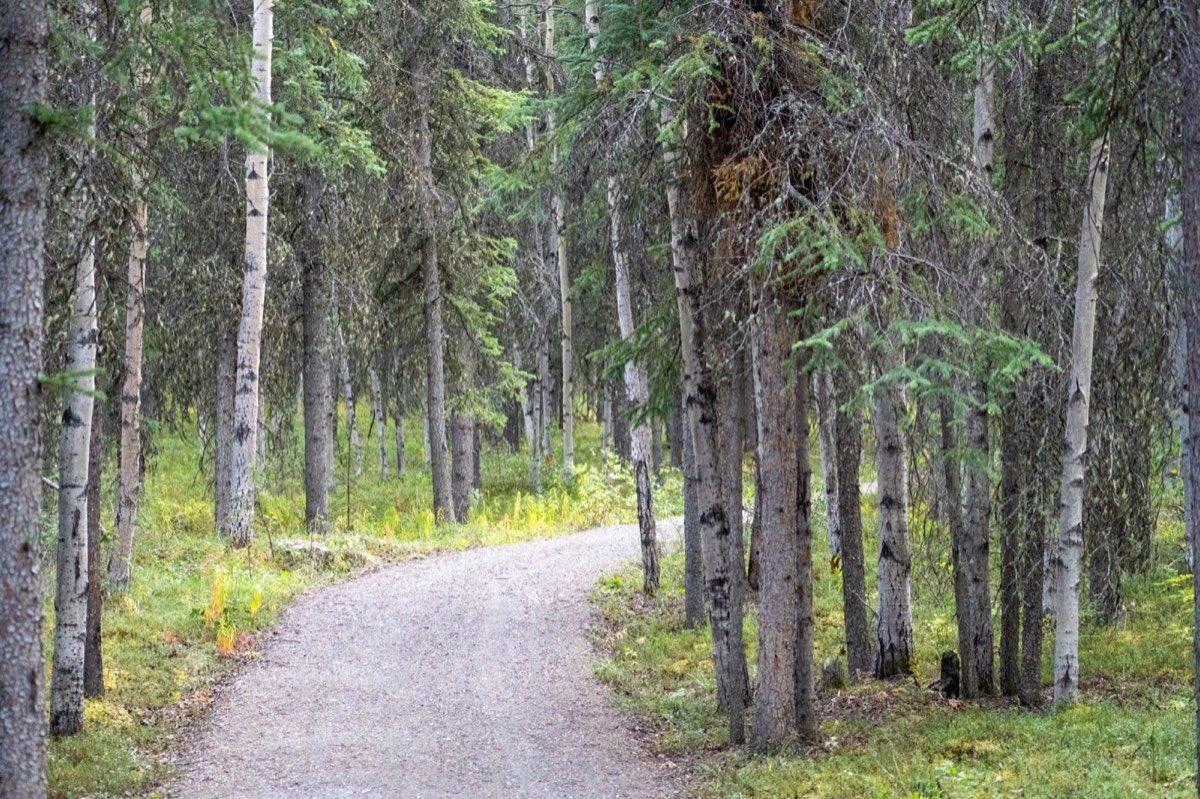
For a tent, it is worth checking whether the surface is reasonably level and whether it forms a hollow where rainwater might collect. Our site was mostly shaded but received some sun during the day. Bushes and trees separated us fairly well from the neighbouring pitches, so we could see only two or three other campsites.
Although Riley Creek has well over a hundred sites, it never felt as if we were sitting in the middle of a huge campground. For us, B49 was a very good compromise between quiet surroundings and short walking distances.
Bear, Wolf or Caribou Loop?
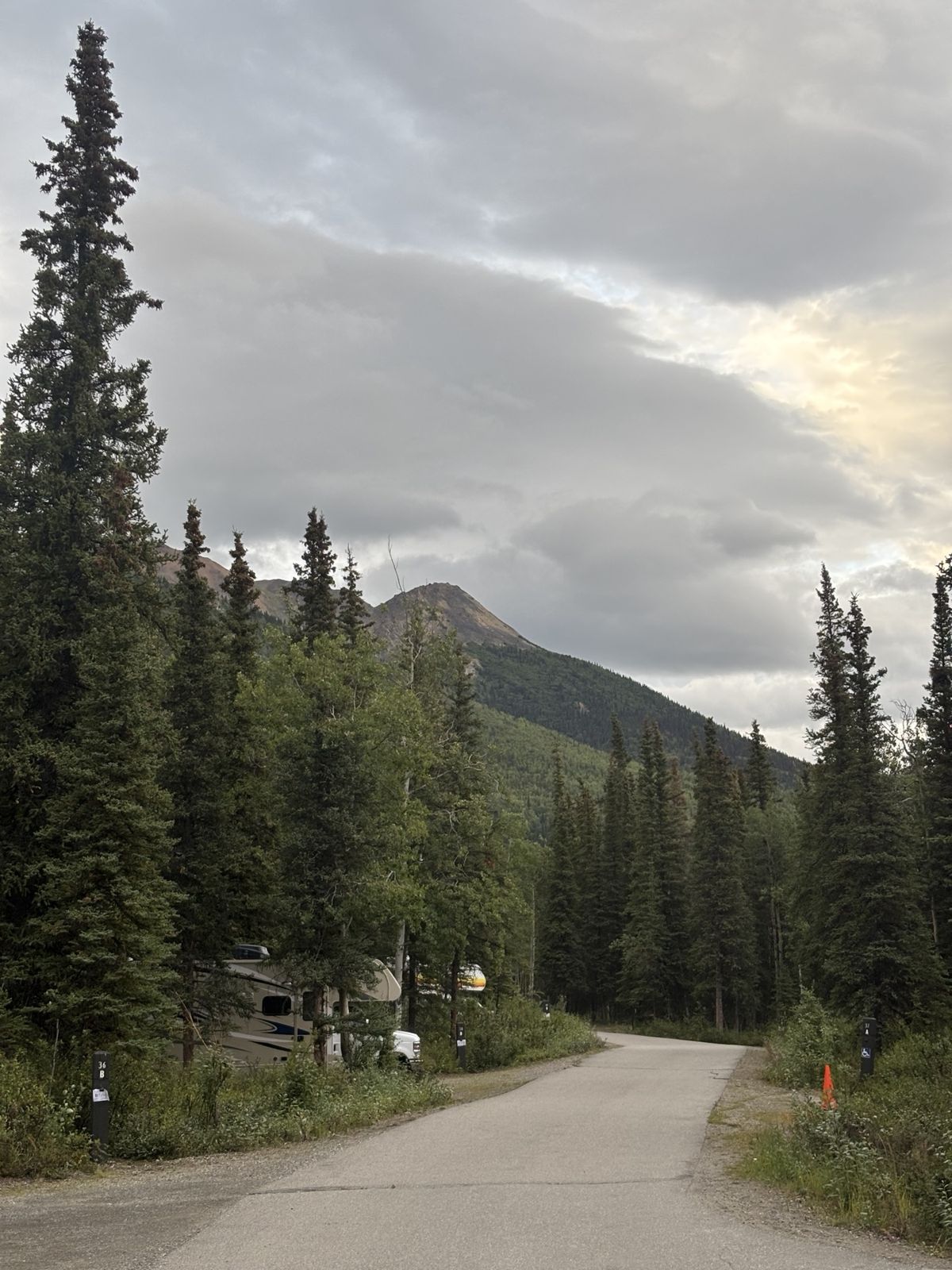
I would choose Bear Loop if the shortest possible walk to the Mercantile, showers and laundry mattered most. There tends to be more movement in this area, and many of the larger pitches are located here.
Wolf Loop was probably the best compromise for us as tent campers. It already felt a little farther inside the campground, but we could still reach the important facilities without long walks.
Caribou Loop lies farther back and contains the walk-in tent area. It may appeal to anyone who wants the quietest and most secluded setting. The trade-off is a longer walk to the Mercantile and showers.
This comparison is partly based on our own stay and partly on the impression I gained while walking through the campground. I did not see a genuinely bad area.
Facilities and our daily routine
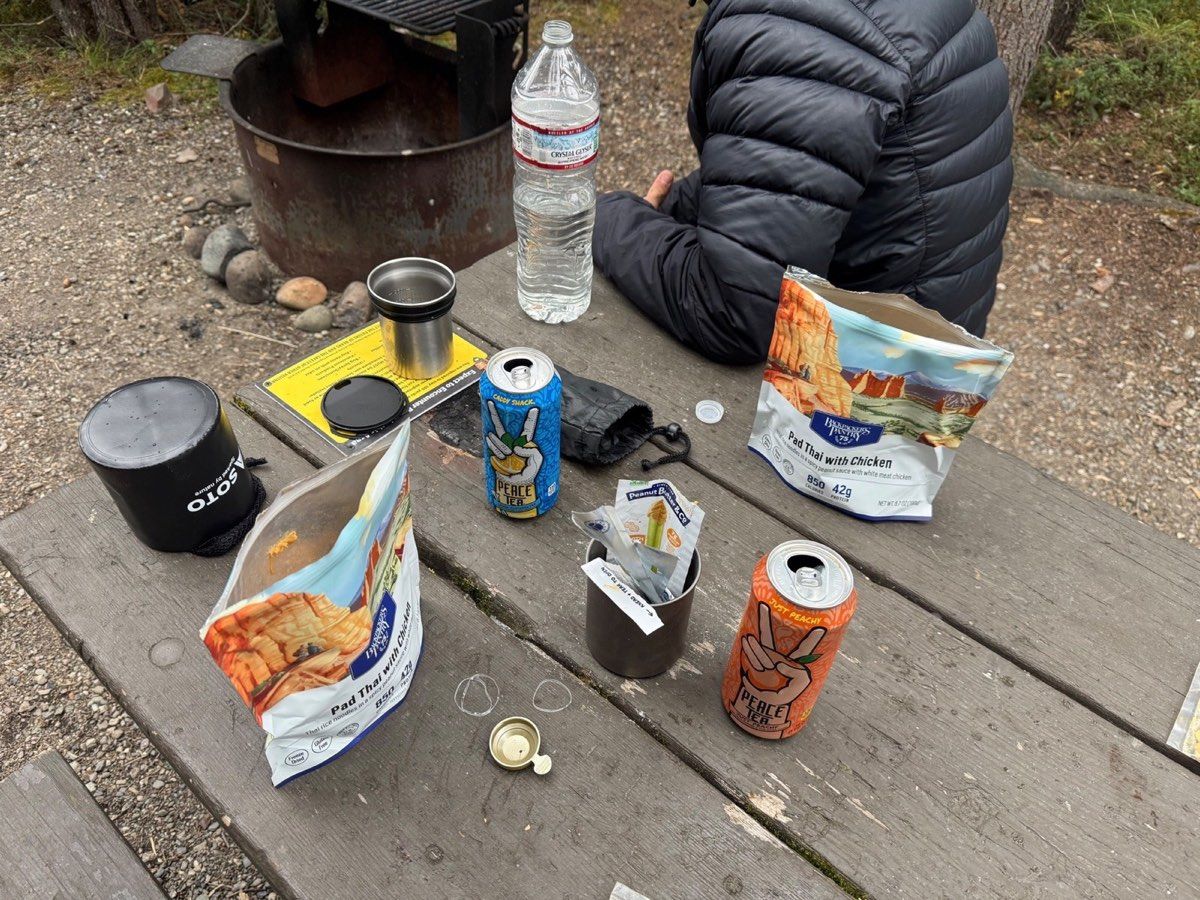
Each site has a picnic table and a fire grate. Toilets, drinking water, rubbish and recycling points, and food-storage lockers are distributed around the campground. Tent campers need to store food and other scented items, including toothpaste, securely.
Showers and washing machines are at Riley Creek Mercantile. During our visit, there were also covered power outlets. We could charge power banks, camera batteries and other electronics there, which was extremely useful while camping for several days without a car.
The Mercantile sells snacks, sandwiches, drinks and smaller camping supplies. It was completely adequate for an ice cream or an evening beer. I would still bring most of my food from Anchorage or Fairbanks again.
Short distances were especially welcome in the evening. Wearing slides, I could quickly go to the food locker, toilet or Mercantile without putting my hiking shoes back on every time. It sounds minor, but in daily campground life it was genuinely practical.
Riley Creek without a car
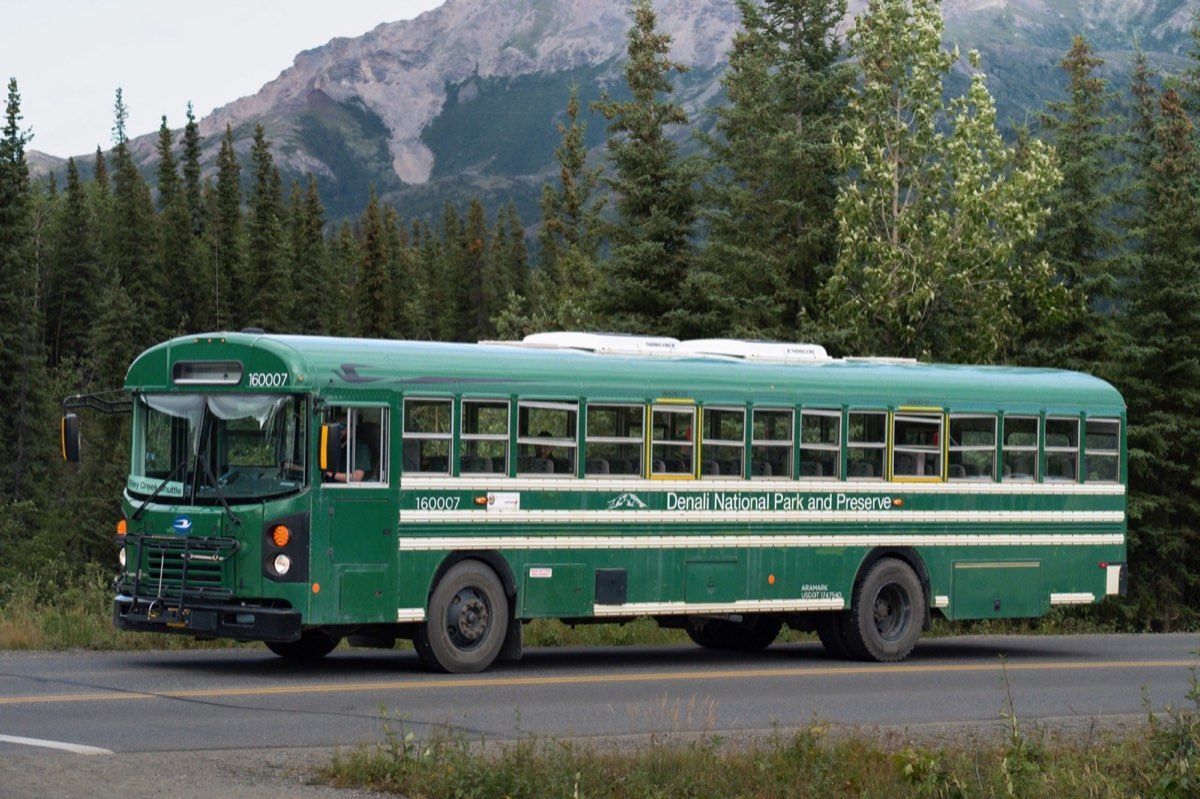
If you arrive by train or coach at the railway station or visitor centre, you do not necessarily need to carry your luggage all the way to the campground. The free Riley Creek Loop Shuttle connects the main points around the park entrance.
The Denali Bus Depot is also easy to reach from the campground. That makes early departures into the park and later returns manageable. On our departure day, we took down the tent by check-out and spent the remaining time near the Mercantile before continuing our journey. Even with all our luggage, the process remained fairly simple.
What I would bring again
- A sufficiently warm sleeping system and several clothing layers.
- A rain jacket and, for off-trail hikes, rain trousers or gaiters.
- Slides or another simple pair of campground shoes.
- Power banks and chargers for the outlets near the Mercantile.
- Most of the food needed for the stay, bought before arriving.
- Binoculars, a camera and bear spray where appropriate.
Would I stay there again?
Yes. Riley Creek is not Denali's most remote campground, but that is precisely why it works so well for a first trip. You can spend several days here without needing a car for every small task. At the same time, the trees make the campground feel much quieter and more private than its size suggests.
Anyone who wants to camp farther inside the park and feel completely removed from the entrance area will probably prefer another campground. For a short to medium-length visit, for tent campers without a car, and for people visiting Denali for the first time, I would still clearly recommend Riley Creek.
Checked separately