Denali · Seasonal field guide
Denali in August: weather, daylight and what I actually wore
Mid-August gave us cool nights, mild hiking temperatures, long usable light and almost no sustained rain. That was our four-day window, not a promise for yours.
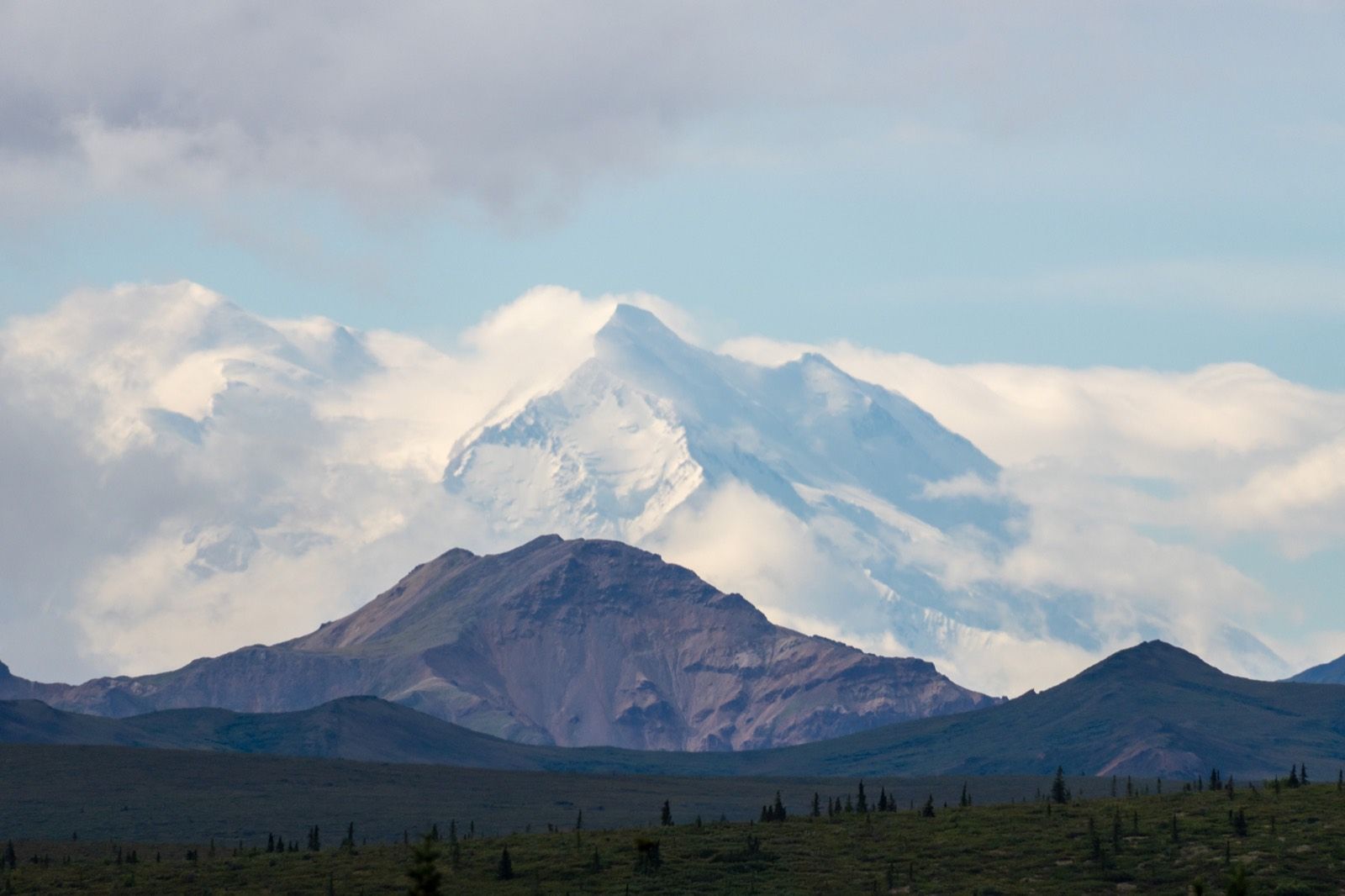
Five things first
In brief
- Our days Usually 12 to 15°C, with nights around 0 to 5°C from memory.
- The real cold Wind mattered more than the air temperature once we left the forest.
- Rain We were lucky, but June through August are normally Denali's wettest months.
- Sleep An eye mask was one of the most useful small items in the tent.
- My verdict I would return in mid-August, with layers and no expectation of stable weather.
Our conditions from 16 to 20 August
We spent four nights in Denali and had very pleasant conditions overall. From memory, nighttime temperatures were roughly 32 to 41°F, or 0 to 5°C. During the day, they were usually around 54 to 59°F, or 12 to 15°C. In direct sun, it could feel considerably warmer.
Those figures describe only our four days. Another visit in August could be much wetter, colder or warmer.
Mornings were usually cloudy, sometimes with a few drops of rain. We were fortunate not to have prolonged rain. Conditions often improved during the day. Farther inside the park, the weather sometimes felt better than it did at the entrance and around Riley Creek Campground.
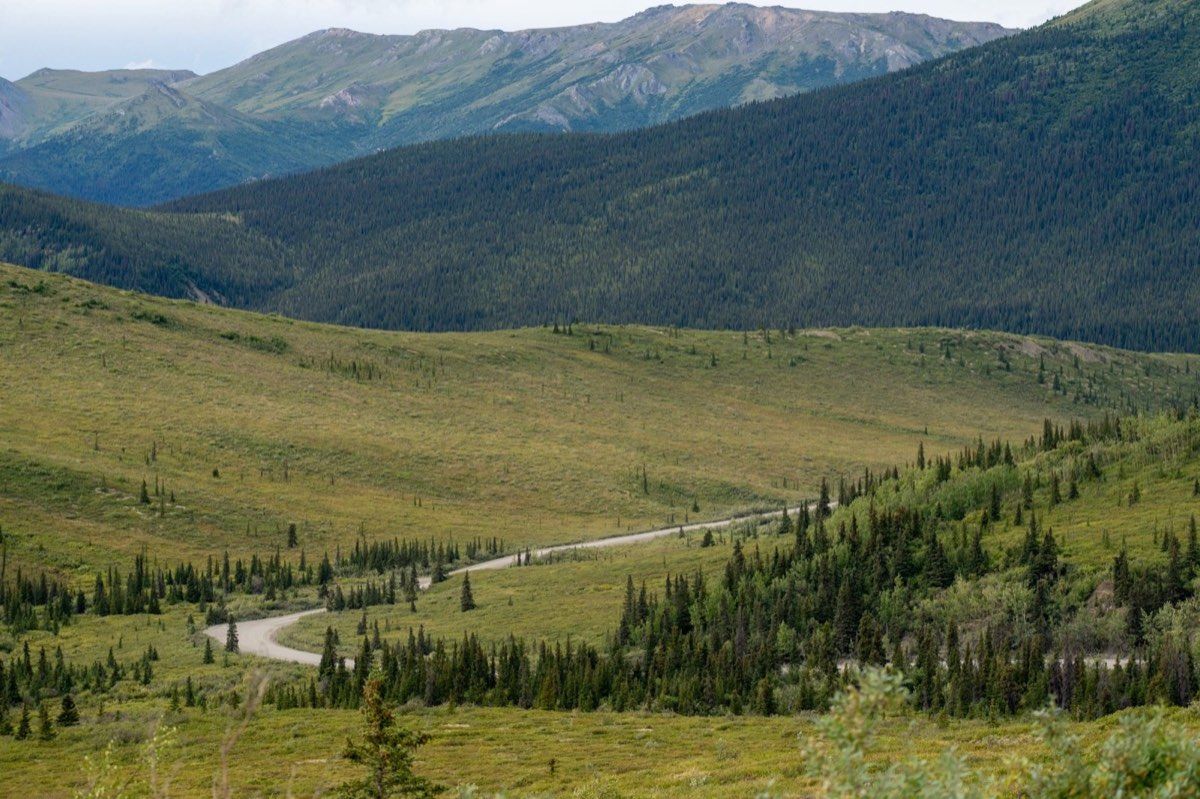
Morning, afternoon and evening
Mornings were generally cool and cloudy. I rarely found the air temperature itself especially difficult. The cold wind mattered much more. As soon as we left the forest or reached slightly higher ground, it felt noticeably colder.
The afternoons were more comfortable. When the sun appeared, about 59°F or 15°C could feel quite warm. On other days, temperatures stayed closer to 54°F or 12°C. We did not experience dramatic temperature swings during the visit.
Evenings became cooler again. Around the campground, this was easy to manage as long as I had an extra layer or my down jacket with me.
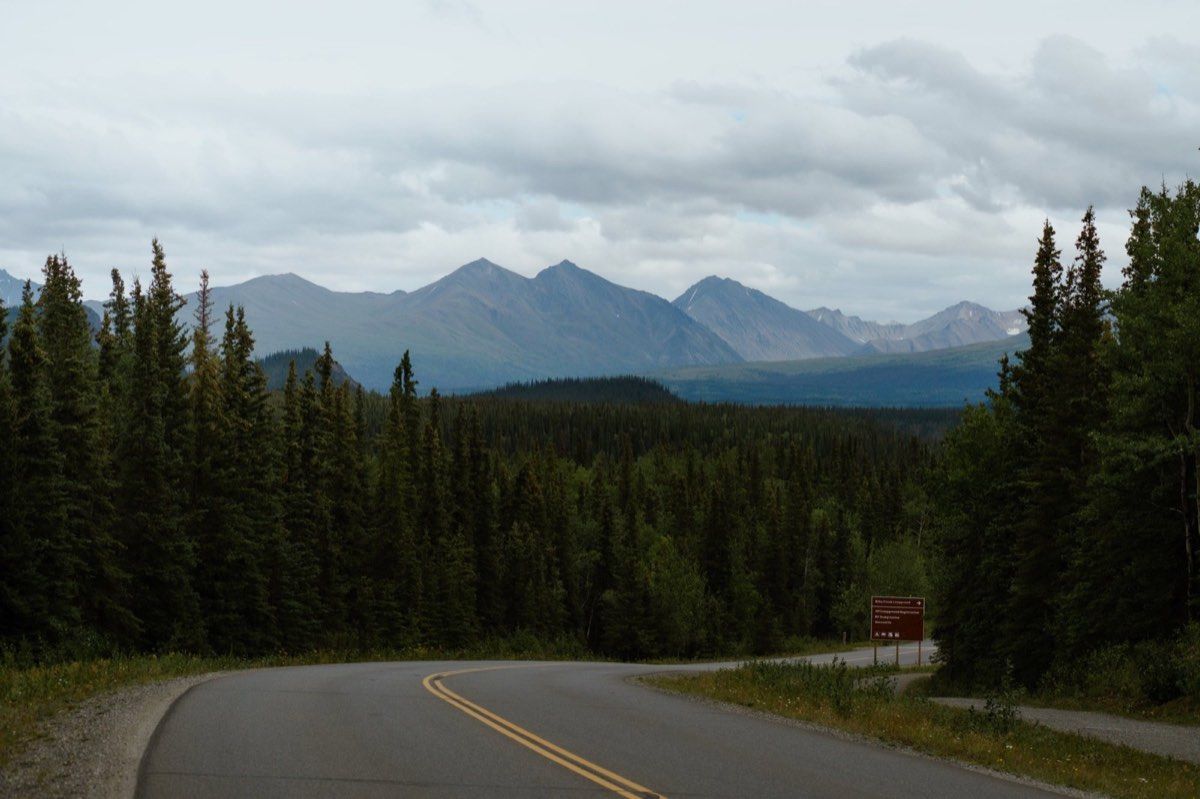
What I actually wore
My clothing system was fairly simple. Around the campground I usually wore jeans, while for hiking I changed into thin hiking trousers.
On top, I wore a T-shirt and a long base layer. Depending on the temperature, I added a jumper and, when needed, a down jacket. This made it easy to remove or add one layer when the wind or temperature changed.
I did not need a beanie or similar winter clothing during those four days. That does not mean I would leave it behind on a longer visit.
I wore normal shoes around camp and hiking shoes on the trails. I also had slides for the campground. That combination felt close to ideal. In the evening, it was pleasant not to put hiking shoes on again just to visit the food locker, toilet or Mercantile.
Rain, mud and wet tundra
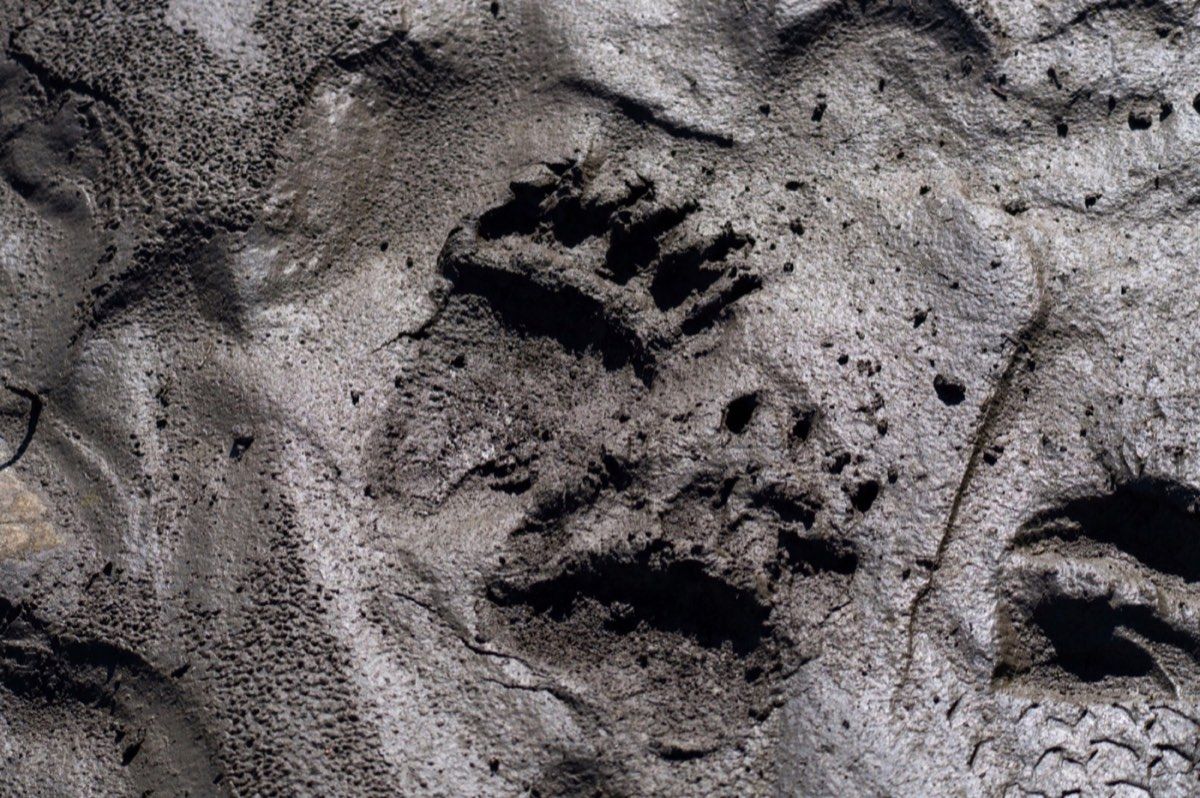
We were simply lucky with the rain. During the final days of our stay, it barely rained at all. We never had properly wet feet and did not need to dry large amounts of equipment in the evening.
Even so, walking through the landscape reveals how much water it holds. The tundra was soft, damp and sometimes almost sponge-like. On a Discovery Hike or an independent off-trail walk, you are also constantly moving through vegetation that can reach your knees or hips.
For that kind of walk, I would bring gaiters and proper waterproof hiking boots. On the developed trails near the park entrance, they mattered much less. In our conditions, we did not need any special mud equipment there.
We also carried a rain jacket and rain trousers. We did not use them, but I would pack them again. I might only reconsider the rain trousers for a visit limited entirely to developed entrance-area trails.
Daylight and sleeping in a tent
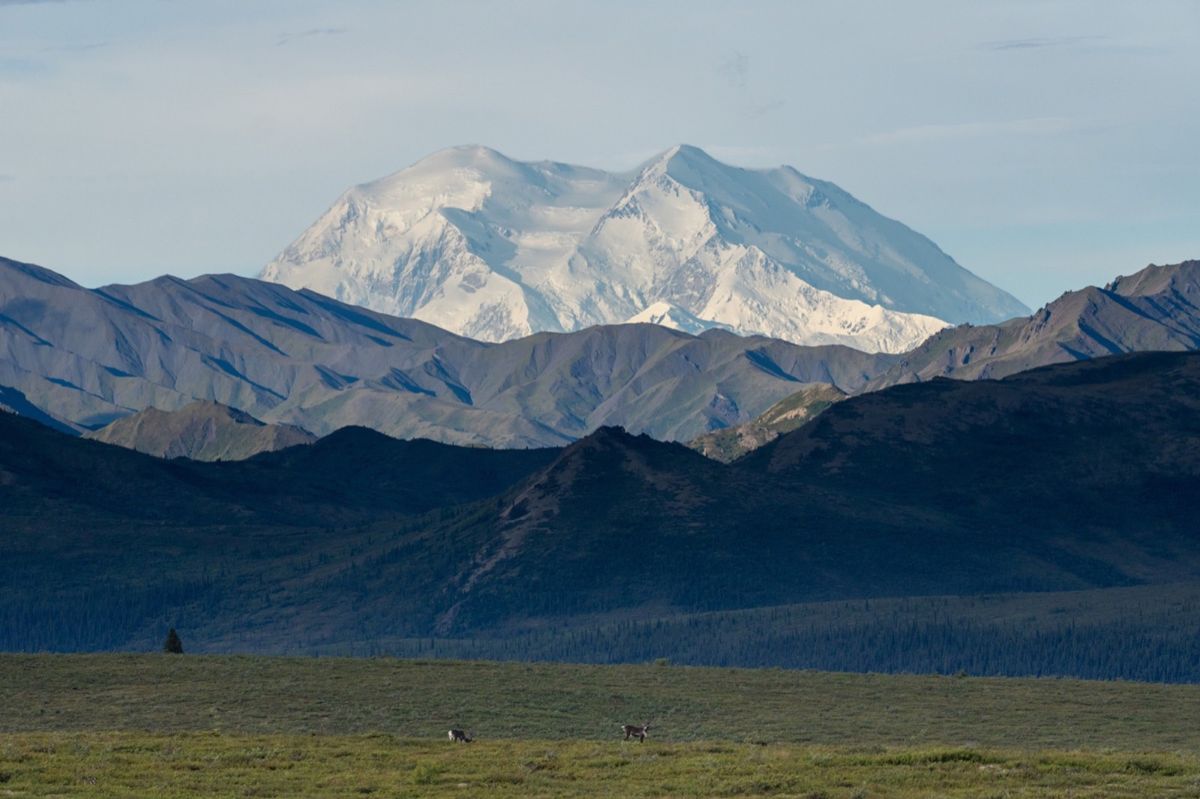
One thing that is easy to underestimate in August is the long daylight. During our stay, it was still noticeably light around 11 pm and already clearly brighter again at about 5:15 am. These are personal observations rather than exact sunrise or twilight times.
It did not disturb our sleep much because both of us had eye masks. When camping in August, I would definitely bring one again. A tent never becomes nearly as dark as a hotel room.
For activities, the long daylight is very useful. There is less pressure to be back early in the evening before darkness. Photographers also retain usable light for a long time.
I often liked the light cloud farther inside the park. It produced soft, even light that worked well for landscape and wildlife photographs. Near the park entrance, the same cloudy sky could simply look grey.
How busy was mid-August?
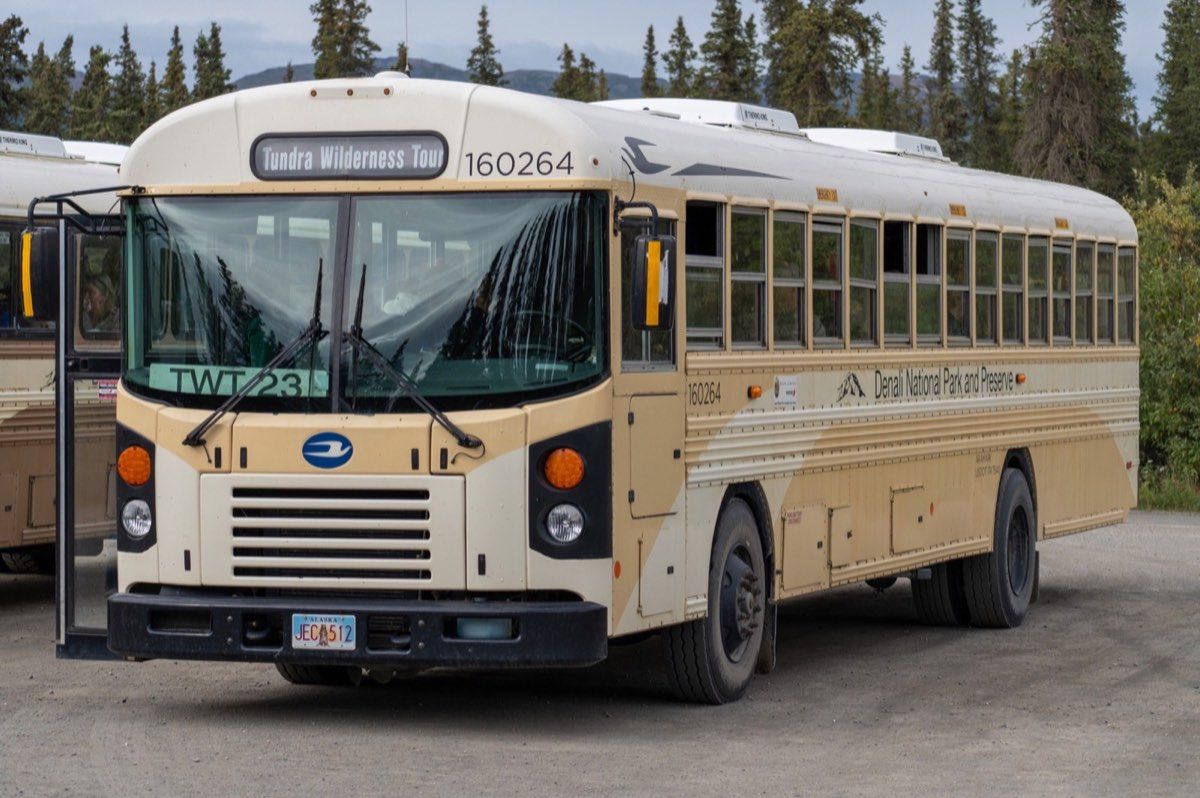
Visitor numbers varied greatly between places. The visitor centre was nearly always busy, and the buses were well used. Our Tundra Wilderness Tour was almost completely full.
Once we started walking, however, people spread out surprisingly quickly. Horseshoe Lake Trail was still fairly busy. On other trails, it felt mostly quiet and at times we saw very few other hikers for long stretches.
That was one of the pleasant surprises for me. Around the visitor centre and bus depot, it is obvious that you are in one of Alaska's best-known national parks. Only a short distance away, the park feels much emptier.
Wildlife in August
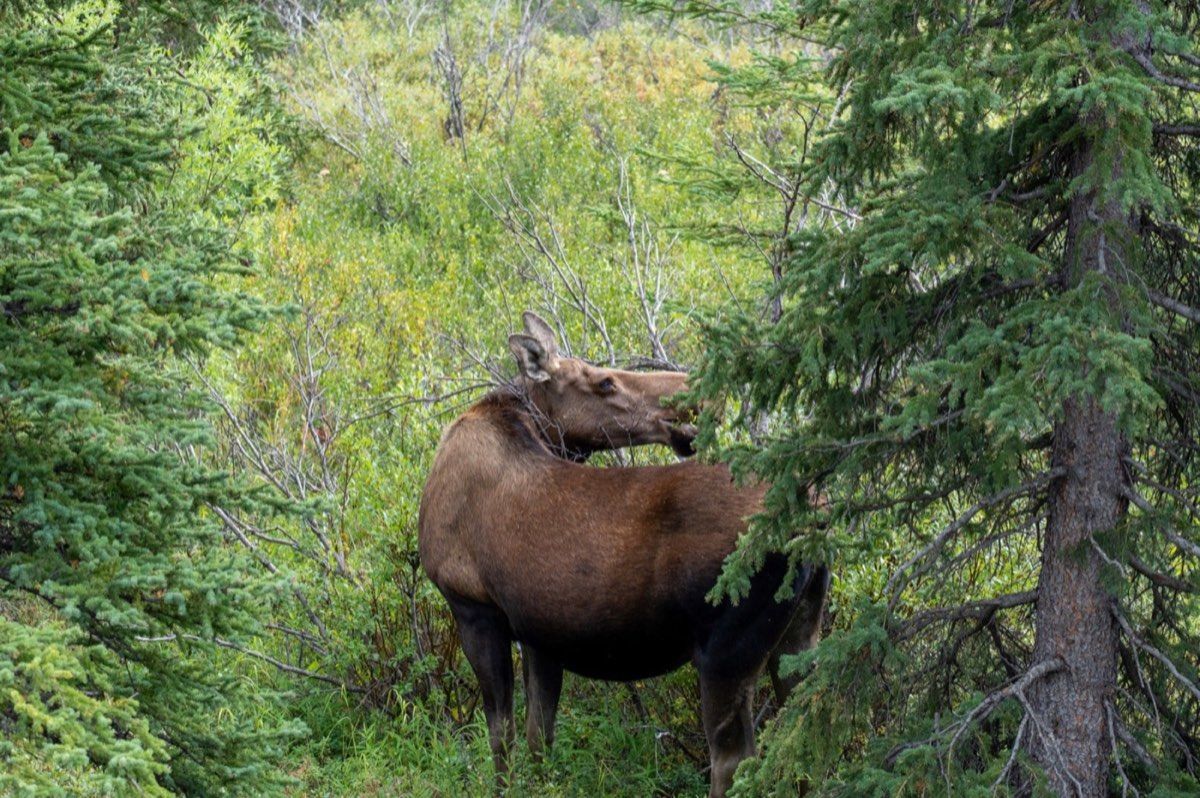
We saw several grizzly bears, caribou, Dall sheep and later a cow moose near Savage River. The National Park Service notes that moose use parts of the entrance-to-Savage section more frequently from mid-August into September.
Our sightings fit that seasonal pattern, but they do not guarantee anything for another trip. Wildlife always involves luck. I cover realistic sightings and where we found them in the separate Denali wildlife guide.
My packing list for Denali in August
Clothing and weather
- T-shirt and long base layer.
- Jumper or fleece.
- Down jacket or a comparable warm layer.
- Thin hiking trousers.
- Good hiking or trekking shoes.
- Rain jacket.
- Rain trousers, especially for wet tundra.
- Gaiters for off-trail hikes.
- Binoculars and/or a camera with a longer lens.
- Bear spray for suitable hikes.
Tent and sleeping
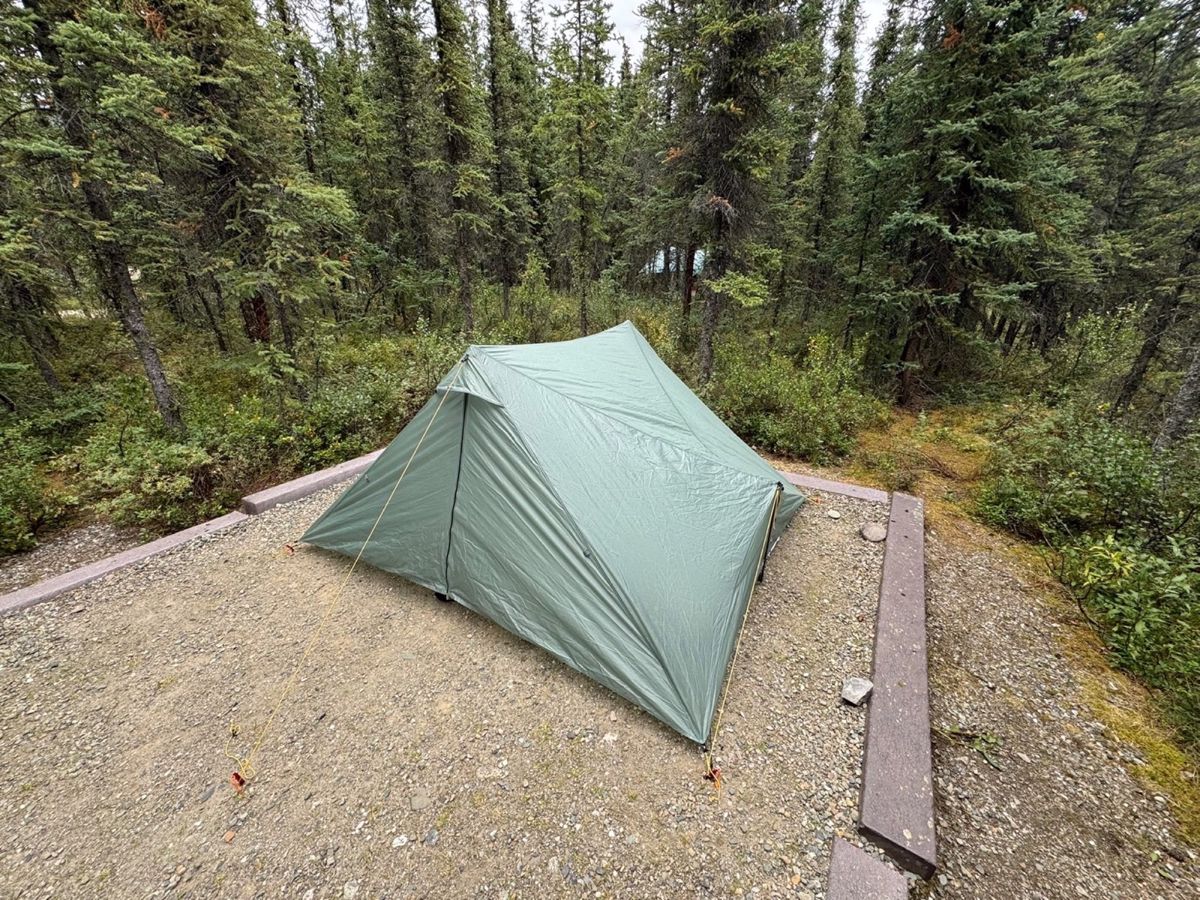
- A tent with a matching footprint.
- A sleeping bag warm enough for nights around freezing.
- A sleeping mat with sufficient insulation.
- Strong tent pegs and a few spares. The ground can be hard, stony or lightly frozen and difficult to penetrate.
- An eye mask.
For additional comfort
- Jeans or another comfortable pair of trousers for the campground.
- Slides or simple camp shoes.
I have very little to put on a genuine leave-at-home list. We did not need our rain gear, but that was luck rather than a reason to leave it behind next time.
Would I return in mid-August?
Yes, definitely. For us, mid-August was a very good time. Temperatures were comfortable for hiking, nights were not yet extremely cold, we had very little rain and the days were still long. We also had excellent wildlife sightings.
Anyone expecting constant sunshine and warm weather will probably be disappointed in Denali regardless of the month. For someone comfortable with roughly 12 to 15°C during the day, willing to use several thin layers for wind and changeable weather, and coming primarily for hiking, wildlife and landscape, I think mid to late August is an especially interesting time.
Checked separately